Dexamethasone is a potent glucocorticoid medication widely used for its anti-inflammatory and immunosuppressive effects. First synthesized in 1957, dexamethasone is used for a range of conditions, including rheumatic disorders, severe allergies, asthma, skin diseases, and certain types of cancer. In Canadian clinical practice, it may be prescribed in primary care, dermatology, and hospital settings, depending on the condition being treated.
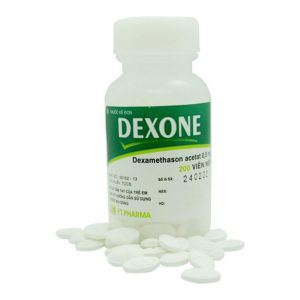
What is Dexamethasone?
Dexamethasone is a synthetic corticosteroid that mimics the effects of hormones made by the adrenal glands. It works by reducing inflammation and suppressing the immune response. It is a white to almost white, odourless, crystalline powder that is stable in air and practically insoluble in water.
Indications
Used to control severe or disabling allergic conditions that do not respond adequately to conventional treatment, including asthma, contact dermatitis, atopic dermatitis, perennial or seasonal allergic rhinitis, drug hypersensitivity reactions, and serum sickness.
This medication is also used to treat certain skin conditions, including bullous dermatitis herpetiformis, mycosis fungoides, exfoliative erythroderma, pemphigus, and severe erythema multiforme (Stevens-Johnson syndrome).
Dexamethasone is used to treat endocrine disorders such as primary or secondary adrenocortical insufficiency, hypercalcemia associated with cancer, congenital adrenal hyperplasia, and nonsuppurative thyroiditis.
It may also help with some gastrointestinal and eye conditions.
Dexamethasone may be used for blood disorders such as acquired (autoimmune) hemolytic anemia, idiopathic thrombocytopenic purpura in adults, congenital (erythroid) hypoplastic anemia (Diamond-Blackfan anemia), pure red cell aplasia, and selected cases of secondary thrombocytopenia.
In some cases, it may also be used for the palliative management of leukemias and lymphomas.
Acute flare-ups of multiple sclerosis, craniotomy, and cerebral edema associated with a primary or metastatic brain tumour, or head injury, can also be treated with Dexamethasone.
Dexamethasone may also be used to induce diuresis or remission of proteinuria in idiopathic nephrotic syndrome or nephrotic syndrome due to lupus erythematosus.
It may also be indicated for respiratory diseases such as berylliosis, fulminating or disseminated pulmonary tuberculosis (when used together with appropriate antituberculous chemotherapy), idiopathic eosinophilic pneumonia, and symptomatic sarcoidosis.
It may help with some rheumatic disorders as short-term adjunctive therapy during an acute episode or flare-up, including acute gouty arthritis, ankylosing spondylitis, acute rheumatic carditis, rheumatoid arthritis, psoriatic arthritis, and juvenile rheumatoid arthritis (selected cases may require low-dose maintenance therapy). It is also used to treat dermatomyositis, polymyositis, and systemic lupus erythematosus.
Clinical Pharmacology
Glucocorticoids, whether synthetic or naturally occurring, are adrenocortical steroids that are readily absorbed from the gastrointestinal tract. They produce a range of metabolic effects and also modify the body's immune responses to different stimuli.
It is about 25 times more potent than hydrocortisone (cortisol). It has minimal mineralocorticoid activity, which may reduce the risk of fluid retention and other side effects linked to mineralocorticoid receptor activation. Its pharmacokinetics show a long half-life, which allows for once-daily dosing in many cases.
Ingredients
The active ingredient is Dexamethasone. Inactive ingredients may vary depending on the formulation and manufacturer.
It is available in several forms, including oral tablets, oral solutions, injectable forms, and topical applications.
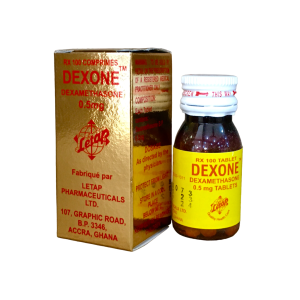
What Are the Dosages of Dexamethasone?
The dose of Dexamethasone depends on the condition being treated, the patient's response, and the formulation used. Common dosage forms include:
- Oral tablets: 0.5 mg to 20 mg.
- Oral liquid: 0.5 mg/5 mL.
- Injectable solutions: varies based on clinical need.
Your physician will determine the appropriate dosage regimen based on your individual needs.
Important Safety Information
Dexamethasone should be used with caution in patients with a history of infections, diabetes, high blood pressure, or mental health disorders. Long-term use can lead to side effects including osteoporosis, adrenal suppression, and increased susceptibility to infections.
Rare anaphylactoid reactions have occurred in patients receiving corticosteroid therapy.
Average and large doses of corticosteroids can raise blood pressure and cause sodium and water retention, along with increased potassium excretion. These effects are less likely with synthetic derivatives, except at high doses. Dietary salt restriction and potassium supplements may be needed.
If the patient is already taking steroids, the dose may need to be adjusted. Metabolic clearance of corticosteroids is decreased in patients with hypothyroidism and increased in patients with hyperthyroidism. Changes in thyroid status may require a dose adjustment.
Corticosteroid therapy should be used with great caution in patients who have recently had a myocardial infarction.
People taking corticosteroids are more susceptible to infections than healthy individuals. These infections may range from mild to severe. Infection with any pathogen, including viral, bacterial, fungal, protozoan, or helminthic organisms, in any body location may be associated with the use of corticosteroids alone or in combination with other immunosuppressive agents. As corticosteroid doses increase, the risk of infectious complications also rises. Corticosteroids may also mask some signs of an existing infection.
Corticosteroids may worsen systemic fungal infections and should not be used when such infections are present unless they are needed to control life-threatening drug reactions. Cases have been reported in which the combined use of amphotericin B and hydrocortisone was followed by cardiac disease.
Latent disease may be activated, or existing infections may worsen because of pathogens including Amoeba, Candida, Cryptococcus, Mycobacterium, Nocardia, Pneumocystis, and Toxoplasma. It is recommended that latent amebiasis or active amebiasis be ruled out before starting corticosteroid therapy in any patient who has spent time in the tropics or has unexplained diarrhea. Corticosteroids should also be used with great care in patients with known or suspected threadworm infestation. This medication should not be used in cerebral malaria.
The use of corticosteroids in active tuberculosis should be limited to cases of fulminating or disseminated tuberculosis in which the corticosteroid is used to manage the disease along with an appropriate antituberculous regimen. Close monitoring is necessary if corticosteroids are indicated in patients with latent tuberculosis or tuberculin reactivity.
Live vaccines are contraindicated in patients receiving immunosuppressive doses of corticosteroids. Killed or inactivated vaccines may be given. However, the response to these vaccines cannot be predicted.
Chickenpox and measles can take a more severe or even fatal course in children and adults taking corticosteroids. In children and adults who have not had these diseases, special care should be taken to avoid exposure.
Patients should be warned not to stop taking corticosteroids suddenly or without medical supervision. Because prolonged use can cause adrenal insufficiency and make patients dependent on corticosteroids, they should tell any healthcare professional treating them that they are taking corticosteroids. They should seek medical advice right away if they develop an acute illness, including fever or other signs of infection. Symptoms of corticosteroid withdrawal include myalgia, arthralgia, and malaise. People taking corticosteroids should also be warned to avoid exposure to chickenpox or measles.
Pregnancy and Breast-feeding
This medication should be used during pregnancy only if the potential benefit justifies the potential risk to the fetus. Infants born to mothers who received substantial doses of corticosteroids during pregnancy should be carefully monitored for signs of hypoadrenalism.
Systemically administered corticosteroids appear in human milk and could suppress growth, interfere with endogenous corticosteroid production, or cause other unwanted effects. A decision should be made whether to stop breast-feeding or stop the medication, taking into account how important the treatment is to the mother.
Pediatric Use
The efficacy and safety of corticosteroids in children are based on the well-established effects of corticosteroids, which are similar in children and adults. Published studies provide evidence of efficacy and safety in pediatric patients for the treatment of nephrotic syndrome in patients older than 2 years of age and aggressive lymphomas and leukemias in patients older than 1 month of age. Other indications for pediatric corticosteroid use, such as severe asthma and wheezing, are based on adequate and well-controlled trials conducted in adults, on the basis that the course of the diseases and their pathophysiology are considered substantially similar in both groups. The side effects of corticosteroids in children are similar to those in adults. To reduce the potential effects of corticosteroids on growth, pediatric patients should be titrated to the lowest effective dose.
Geriatric Use
Clinical studies did not include enough subjects aged 65 and over to determine whether they respond differently from younger people. In general, dose selection for an older patient should be cautious, usually starting at the low end of the dosing range. This reflects the greater frequency of reduced liver, kidney, or heart function, as well as other diseases or concurrent medication use. In particular, the increased risk of diabetes mellitus, fluid retention, and hypertension in older patients treated with corticosteroids should be considered.
Prescription
Dexamethasone is available by prescription only. Contact your physician to get a prescription.
Patients should closely follow their healthcare provider's instructions for dose and treatment duration to help minimize risks associated with corticosteroid therapy.
Contraindications to Dexamethasone
Dexamethasone should not be used in patients with:
- fungal infections;
- known hypersensitivity to Dexamethasone or any component of the formulation;
- certain viral infections (e.g., herpes simplex keratitis).
Side Effects
Side effects can include:
- Allergic reactions: anaphylaxis, anaphylactoid reaction, angioedema.
- Endocrine: development of a cushingoid state, decreased carbohydrate and glucose tolerance, glycosuria, hyperglycemia, hypertrichosis, hirsutism, signs of latent diabetes mellitus, increased requirements for insulin or oral hypoglycemic agents in diabetes, secondary adrenocortical and pituitary unresponsiveness (particularly during times of stress, such as trauma, surgery, or illness), menstrual irregularities, and growth suppression in pediatric patients.
- Dermatologic: allergic dermatitis, acne, ecchymoses and petechiae, dry scaly skin, erythema, increased sweating, impaired wound healing, striae, rash, suppression of reactions to skin tests, thinning scalp hair, thin fragile skin, urticaria.
- Metabolic: negative nitrogen balance due to protein catabolism.
- Cardiovascular: cardiac arrest, bradycardia, cardiac arrhythmias, circulatory collapse, cardiac enlargement, fat embolism, congestive heart failure, hypertrophic cardiomyopathy in premature infants, hypertension, myocardial rupture following recent myocardial infarction, edema, syncope, tachycardia, pulmonary edema, thrombophlebitis, thromboembolism, vasculitis.
- Gastrointestinal: elevated serum liver enzyme levels (usually reversible after discontinuation), abdominal distention, hepatomegaly, nausea, peptic ulcer with possible perforation and hemorrhage, pancreatitis, perforation of the small and large intestine (particularly in patients with inflammatory bowel disease), ulcerative esophagitis.
- Fluid and electrolyte disturbances: fluid retention, congestive heart failure in susceptible patients, potassium loss, hypokalemic alkalosis, sodium retention.
- Musculoskeletal: loss of muscle mass, aseptic necrosis of the femoral and humeral heads, muscle weakness, pathologic fracture of long bones, osteoporosis, steroid myopathy, vertebral compression fractures, tendon rupture.
- Ophthalmic: glaucoma, exophthalmos, posterior subcapsular cataracts, increased intraocular pressure.
- Neurological/Psychiatric: depression, convulsions, euphoria, headache, emotional instability, increased intracranial pressure with papilledema (pseudotumor cerebri), usually following discontinuation of treatment, mood swings, insomnia, neuropathy, neuritis, paresthesia, psychiatric disorders, personality changes, vertigo.
- Other: decreased resistance to infection, abnormal fat deposits, increased or decreased motility and number of spermatozoa, hiccups, moon face, malaise, weight gain.
Patients should report any severe or persistent side effects to their healthcare provider.
Interactions of Dexamethasone with Other Medicines
Dexamethasone can interact with various medications:
- Cholestyramine: it may increase the clearance of corticosteroids.
- Aminoglutethimide: it may reduce adrenal suppression caused by corticosteroids.
- Dexamethasone suppression test (DST): false-negative results have been reported in the dexamethasone suppression test (DST) in patients treated with indomethacin.
- Amphotericin B injection and potassium-depleting agents: patients should be closely monitored for the development of hypokalemia. Cases have also been reported in which the combined use of amphotericin B and hydrocortisone was followed by cardiac enlargement and congestive heart failure.
- Digitalis glycosides: patients taking digitalis glycosides may be at increased risk of arrhythmias due to hypokalemia.
- Antibiotics: macrolide antibiotics have been reported to cause a significant decrease in corticosteroid clearance.
- Ephedrine: it may increase the metabolic clearance of corticosteroids, resulting in lower blood levels and reduced physiologic activity, which may require an increase in corticosteroid dose.
- Anticholinesterases: combined use of anticholinesterase agents and corticosteroids may cause severe weakness in patients with myasthenia gravis.
- Estrogens, including oral contraceptives: these drugs may decrease the hepatic metabolism of certain corticosteroids, thereby increasing their effect.
- Oral anticoagulants: co-administration of corticosteroids and warfarin usually results in inhibition of response to warfarin. However, there have been some conflicting reports.
- Hepatic Enzyme Inducers, Inhibitors, and Substrates: these medications may increase corticosteroid metabolism and require the corticosteroid dose to be increased.
- Antidiabetics: because corticosteroids may increase blood glucose concentrations, dose adjustments of antidiabetic agents may be required.
- Ketoconazole: ketoconazole has been reported to decrease the metabolism of certain corticosteroids by up to 60%, leading to an increased risk of corticosteroid side effects. It can also inhibit adrenal corticosteroid synthesis on its own and may cause adrenal insufficiency during corticosteroid withdrawal.
- Antitubercular drugs: serum concentrations of isoniazid may be decreased.
- Nonsteroidal anti-inflammatory agents (NSAIDs): combined use of aspirin (or other nonsteroidal anti-inflammatory agents) and corticosteroids increases the risk of gastrointestinal side effects.
- Cyclosporine: increased activity of both cyclosporine and corticosteroids may occur when the two are used together. Convulsions have been reported with this concurrent use.
- Vaccines: patients on corticosteroid therapy may have a reduced response to toxoids and live or inactivated vaccines because antibody response is inhibited.
- Skin tests: corticosteroids may suppress reactions to skin tests.
- Phenytoin: post-marketing experience has included reports of both increases and decreases in phenytoin levels with dexamethasone co-administration, leading to changes in seizure control.
- Thalidomide: co-administration with thalidomide should be used cautiously, as toxic epidermal necrolysis has been reported with concomitant use.
Overdose of Dexamethasone
While an overdose of Dexamethasone is not typically life-threatening, it can lead to serious side effects such as hypertension, gastrointestinal bleeding, or psychiatric symptoms. In case of suspected overdose, seek immediate medical attention.
Storage
Dexamethasone should be stored at room temperature, away from moisture and heat. Keep it out of reach of children and dispose of any unused medication properly.
Benefits of Using Dexamethasone
|
Benefit
|
Description
|
|
Anti-inflammatory Effects
|
Dexamethasone reduces inflammation and helps relieve symptoms such as swelling, redness, and pain associated with inflammatory disorders. It is used for conditions such as arthritis, asthma, and skin diseases.
|
|
Immunosuppressive Action
|
It suppresses the immune system's response, which can be useful in managing autoimmune diseases such as lupus and rheumatoid arthritis. This helps reduce the body's attack on its own tissues.
|
|
Management of Allergic Reactions
|
Dexamethasone is used to treat severe allergic reactions and conditions such as anaphylaxis by reducing the immune response and easing symptoms such as swelling and hives.
|
|
Nausea and Vomiting Prevention
|
It helps prevent nausea and vomiting in people undergoing chemotherapy or surgery, improving comfort during treatment and recovery.
|
|
Treatment of Croup in Children
|
Dexamethasone is commonly used for croup in children, where a single dose can reduce airway swelling and help improve breathing and comfort.
|
|
Support in Cancer Treatment
|
It is used as part of treatment regimens for certain cancers, helping manage symptoms and side effects associated with cancer therapies, such as nausea and inflammation.
|
|
Improvement of Preterm Labor Outcomes
|
Dexamethasone may improve neonatal outcomes when given to mothers at risk of preterm labour by helping support fetal lung development.
|
|
High-Altitude Illness Treatment
|
It is used to treat high-altitude cerebral edema (HACE) and high-altitude pulmonary edema (HAPE), making it an important medication for climbers experiencing altitude sickness.
|
|
Versatile Administration Routes
|
Dexamethasone can be given in several ways, including oral, intravenous, and intramuscular routes, allowing flexibility based on patient needs and circumstances.
|
Check additional information about this medication here. The information is provided by Health Canada.