Budez CR contains budesonide 3 mg in an ileal-release capsule designed to treat mild-to-moderate Crohn's disease affecting the ileum and ascending colon. It targets inflammation in the gut with less of the whole-body corticosteroid effect seen with older steroids like prednisone.
This tool only estimates pack size from the values you enter.
×
You need: 21 capsRecommended packs: 1 x 30 = 30 caps
Manufacturers
AstraZeneca ABDr. Falk Pharma GmbHFerring Pharmaceuticals Inc.Tillotts Pharma AG
Payment & Shipping
Package Example
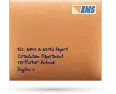
Your order is carefully packed and ships within 24 hours. Here is what a typical package looks like.
Sized like a regular personal letter (approximately 24x11x0.7 cm), with no indication of what is inside.
Front View
Side View
Back View
Shipping Times
Shipping Method
Estimated delivery
Express Free for orders over C$420.00
Estimated delivery to Canada: 4-7 days
Standard Free for orders over C$280.00
Estimated delivery to Canada: 14-21 days
Payment Methods
Discount Coupons
Victoria Day - May 18, 2026 8%VICTORIA8
Canada Day - July 1, 2026 10%CANADADAY10
Labour Day - September 7, 2026 6%LABOUR6
Thanksgiving (Canada) - October 12, 2026 9%THANKS9
Boxing Day - December 26, 2026 12%BOXING12
Brand Names
Also known as (by country):
Country
Brand Names
Canada
Entocort
FAQ
A prescription is required to obtain budesonide from local pharmacies in Canada. Our store policy allows Budez CR 3 mg controlled-release capsules to be ordered without a prescription and sent by mail.
Keep Budez CR below 25 °C, protected from light and moisture, in its tightly closed original container. If it was exposed to unsuitable conditions, the significance depends on the temperature, duration, and whether the container remained intact; do not use capsules with uncertain quality until they have been checked.
Yes. Budez CR 3 mg controlled-release capsules contain budesonide, the active ingredient in Entocort. Brand names, capsule appearance, inactive ingredients, and packaging can differ, so the received package should be checked for the active ingredient, strength, and dosage form.
Yes. Solid oral capsules can normally travel by mail when they are packed to protect them from light, moisture, and physical damage. On arrival, check that the container is intact and that the capsules have been kept in line with their labelled storage conditions before use.
Oral budesonide controlled-release capsules are used for mild to moderate active Crohn's disease, particularly when it affects the ileum and/or ascending colon. Budesonide is available in other forms for conditions such as asthma and nasal allergies, but those uses do not apply to these oral controlled-release capsules.
These capsules are taken by mouth exactly as prescribed and may be taken with or without food. Swallow the capsules whole; do not crush or chew them, as this can interfere with controlled release. The prescribed dose and treatment duration depend on the condition being treated.
Description
Note:
Images in the description are provided for informational purposes and may differ from the actual appearance of the product. Please refer to the product name, strength, ingredients, and dosage form.
Budez CR is an oral corticosteroid capsule containing 3 mg of budesonide, formulated for controlled release so the drug reaches the lower small intestine and upper large bowel rather than being absorbed high in the digestive tract. It belongs to a specific group of corticosteroids used in gastroenterology, and it is generally prescribed for adults with mild-to-moderate Crohn's disease involving the ileum and/or ascending colon. Many readers look into this medicine after a Crohn's disease diagnosis or a flare, wanting to understand how a steroid capsule can work locally in the gut instead of throughout the whole body. The sections below explain how Budez CR works, what using it typically involves, and how it compares with related corticosteroids and other Crohn's disease treatments.
What Is Budez CR?
Budez CR belongs to the corticosteroid drug class, and its active ingredient, budesonide, is chemically similar to other steroids such as prednisone or prednisolone but is engineered to behave differently in the body. Each capsule is a controlled-release, oral formulation containing 3 mg of budesonide. The capsule shell and internal pellets are built to resist breakdown in the stomach and upper small intestine, releasing the drug gradually once it reaches the terminal ileum and ascending colon - the exact segments of bowel most often inflamed in ileal or ileocecal Crohn's disease.
This targeted release is the main practical significance of the formulation. Rather than circulating widely through the bloodstream like older oral steroids, a large share of the released budesonide acts directly on the inflamed bowel lining before being cleared by the liver, which is discussed further in the pharmacology section below.
Crohn's Disease and Why Treatment Matters
Crohn's disease is a chronic inflammatory bowel condition that can affect any part of the digestive tract but most frequently involves the terminal ileum and the beginning of the colon. Inflammation in these areas can cause abdominal pain, diarrhea, weight loss, and fatigue, and it tends to follow a pattern of flares and remission rather than a steady course. Because ongoing inflammation can lead to complications such as strictures or fistulas over time, controlling active flares and maintaining periods of remission are central treatment goals. Budez CR is used specifically to help settle active inflammation during a mild-to-moderate flare limited to the ileum and ascending colon; it is not a treatment for every form or severity of Crohn's disease, and a gastroenterologist typically determines whether disease location and severity make this type of corticosteroid an appropriate choice.
How Budez CR Works
Budesonide binds to glucocorticoid receptors in the cells lining the bowel wall, reducing the local production of inflammatory chemical messengers and dampening the immune activity that drives Crohn's disease symptoms. This local anti-inflammatory action is similar in principle to other corticosteroids, but two features distinguish budesonide from an oral steroid like prednisone. First, the controlled-release capsule delays drug release until it reaches the ileum and ascending colon, concentrating the effect where Crohn's disease most often causes damage. Second, budesonide undergoes extensive first-pass metabolism in the liver, meaning a large proportion of the drug that is absorbed into the bloodstream is broken down before it can produce the widespread hormonal effects associated with classic oral steroids. In practical terms, this generally translates into less pronounced systemic corticosteroid side effects compared with an equivalent dose of prednisone, although it does not eliminate systemic corticosteroid activity entirely, particularly with prolonged or repeated courses.
Effectiveness in Crohn's Disease
Controlled-release oral budesonide has an established role in inducing remission in mild-to-moderate active Crohn's disease limited to the ileum and/or ascending colon, and this use is reflected in its approved labelling and in gastroenterology treatment guidelines. It is generally considered less effective than higher-dose systemic corticosteroids for severe or extensive disease, but it offers a more favourable side-effect profile for suitable candidates. As with any Crohn's disease treatment, individual response varies, and a gastroenterologist assesses disease activity and location, often supported by imaging or endoscopy, before deciding whether this type of localized-release corticosteroid is the right approach or whether an alternative agent is more suitable.
Strengths, Formulation, and General Dosing Principles
Budez CR capsules are supplied only in the 3 mg controlled-release strength. In our catalogue, this strength is available in package sizes of 30, 60, 90, or 180 capsules, letting a patient with an established prescription choose a quantity that matches their treatment course. The capsules should normally be swallowed whole with water, and the pellets must not be chewed or crushed. If swallowing is difficult, open the capsule only when the leaflet for the exact supplied product permits it or after confirming the method with a pharmacist or prescriber; the pellets must remain intact.
For active Crohn's disease flares limited to the ileum and ascending colon, adult regimens are typically built around once-daily dosing for induction of remission, with treatment courses generally lasting a number of weeks rather than being continued indefinitely, followed by a gradual step-down rather than abrupt discontinuation once symptoms improve. Pediatric use is established only from around 8 years of age and roughly 25 kg body weight, with weight- and age-adjusted dosing, a limited treatment duration, and monitoring of growth and adrenal function; budesonide capsules are not established for younger or lighter children. Because the exact regimen depends on disease severity, age, body weight, and response to treatment, a prescriber determines the specific dose, duration, and tapering schedule for an individual patient - the information here describes general principles rather than a dose recommendation for any particular reader.
Elimination and Half-Life
After budesonide is absorbed from the gut, it is metabolized mainly by the liver enzyme CYP3A4 into substances with much weaker corticosteroid activity, then eliminated primarily through the kidneys. Oral bioavailability is relatively low because of this first-pass liver metabolism, and the plasma elimination half-life is short, generally in the range of a few hours. This short half-life is one reason systemic corticosteroid effects tend to be less pronounced than with steroids that are metabolized more slowly, even though the controlled-release capsule itself continues releasing drug gradually as it moves through the ileum and ascending colon over a longer period than the half-life alone would suggest.
Before You Start: Safety Considerations
Contraindications
Budez CR should not be used by anyone with a known hypersensitivity to budesonide or to any capsule ingredient. Because it is a corticosteroid, it also requires caution in people with active or latent infections, including intestinal or systemic infections, since corticosteroids can mask or worsen infection while suppressing local immune response.
Interactions
Budesonide is metabolized through the CYP3A4 liver enzyme pathway, so medicines that strongly inhibit this enzyme - including certain antifungal drugs such as ketoconazole, some antiviral medicines, and grapefruit juice in significant amounts - can raise budesonide blood levels and increase the risk of systemic corticosteroid effects. Conversely, medicines that induce CYP3A4 may reduce budesonide's effectiveness. Combining Budez CR with other corticosteroids, whether oral, inhaled, or topical, can add to overall steroid exposure and should be discussed with a prescriber. Regular alcohol use may increase gastrointestinal irritation and should generally be limited during treatment.
Pregnancy, Breastfeeding, and Special Groups
Controlled studies in pregnant women are limited, so budesonide is generally used in pregnancy only when the expected benefit of controlling active Crohn's disease outweighs the potential risk, a decision made individually with a prescriber; infants exposed late in pregnancy may need observation for adrenal changes after birth. Budesonide passes into breast milk in small amounts, and a nursing parent and their prescriber typically weigh the importance of treatment against infant exposure. People with diabetes may notice reduced blood sugar control during treatment because corticosteroids, even ones with mainly local action, can raise blood glucose, so additional monitoring is often useful. Budez CR is not expected to impair the ability to drive or operate machinery under typical use.
Side Effects and When to Seek Help
Most people tolerate budesonide capsules reasonably well, particularly compared with higher-dose systemic corticosteroids, but side effects are still possible because some of the drug does reach general circulation.
Beyond the effects shown above, prolonged or repeated courses of budesonide can, in some people, lead to more classic corticosteroid effects such as facial rounding, easy bruising, mood changes, or reduced bone density, particularly with extended use. Anyone who develops signs of a serious infection, severe abdominal pain, visual disturbances, or symptoms suggesting adrenal suppression - such as profound fatigue, dizziness on standing, or low blood pressure, especially after stopping the medicine abruptly - should seek prompt medical attention rather than waiting for a routine follow-up.
Suspected Overdose
Taking substantially more than the prescribed dose is unlikely to cause a dramatic acute reaction given budesonide's short half-life and local action, but it can increase the likelihood of systemic corticosteroid side effects such as elevated blood sugar, mood changes, or fluid retention. Anyone who has taken considerably more than prescribed, or who develops concerning symptoms after doing so, should contact a poison control centre, a pharmacist, or emergency services for guidance rather than assuming no action is needed.
Prescription Status and Ordering
Budesonide is classified as a prescription-only medicine in Canada, meaning it is legally intended to be dispensed under the direction of an authorized prescriber. That national classification is separate from how we manage orders in our own catalogue: placing an order for Budez CR through our checkout does not require you to submit a prescription document at the time of purchase. We recommend discussing Crohn's disease treatment, including whether budesonide capsules are appropriate, with a physician or gastroenterologist, since ongoing monitoring is part of using this medicine responsibly. Our pharmacist-supported team is available by email, online chat, and phone around the clock if you have questions about an order.
Storage
Keep Budez CR capsules in their original container, tightly closed, away from light and moisture, and store below 25°C. Avoid storing the capsules in a bathroom cabinet or near a kitchen sink where humidity is higher, and keep them out of reach of children.
Benefits and Trade-Offs
The main advantage of Budez CR over a conventional oral corticosteroid such as prednisone is a generally lower burden of whole-body steroid side effects for a comparable anti-inflammatory benefit in ileal or ileocecal Crohn's disease, thanks to its targeted release and rapid liver metabolism. This is not the same as saying it is stronger or universally better: for more extensive or severe Crohn's disease, or disease outside the ileum and ascending colon, budesonide's localized release means it may be less effective than a systemic corticosteroid, and a different treatment approach may be needed. It is also intended for inducing remission during a flare rather than for indefinite long-term steroid maintenance, so a gastroenterologist will typically plan what happens after the initial course, whether that means tapering off, moving to a maintenance medicine, or adjusting therapy based on response.
Generic and Therapeutic Alternatives
Budesonide itself is available under other brand names built on the same active ingredient and a similar ileal-release principle, including Entocort EC; these represent the same generic medicine rather than a different treatment class. Budesonide products designed for ulcerative colitis, which release the drug further along in the colon, are a related but formulation-distinct approach aimed at a different disease pattern rather than a direct substitute for ileal Crohn's disease treatment.
Product type
Typical release site
Main established use
Budez CR (budesonide, ileal-release)
Terminal ileum and ascending colon
Mild-to-moderate Crohn's disease
Budesonide MMX-type formulations
Colon
Mild-to-moderate ulcerative colitis
Enteric-coated budesonide granules
Small intestine and colon
Crohn's disease, alternative delivery format
For patients whose Crohn's disease is more extensive or who do not respond adequately to budesonide, a prescriber may consider a conventional systemic corticosteroid; where a comparable steroid is needed, we also carry Prednisolone in our catalogue. Aminosalicylate medicines built on mesalamine are sometimes used as an alternative or complementary approach in milder inflammatory bowel disease, though they act through a different mechanism and are generally considered less potent for active flares than a corticosteroid. Choosing between these options depends on disease location, severity, and how a person has responded to previous treatment, which is why ongoing input from a gastroenterologist remains part of managing Crohn's disease alongside any single medicine.
I live in Yellowknife and would prefer not to make a trip to a pharmacy. How can I find out whether Budez CR can be sent to my address?
A
Answered by Support team
Provide the full delivery address and postal code during checkout. We will display the available options for your destination before the order is placed.
Q
Asked by Émilie Gagnon, Sherbrooke, Canada
Before I order from Sherbrooke, can I use my postal code to see if Budez CR can be shipped to me?
A
Answered by Support team
Yes. Add the product to your cart and enter your Sherbrooke postal code and address at checkout to check the available shipping options for that destination.
Q
Asked by Sophie Tremblay, Quebec City, Canada
My Budez CR package arrived in Quebec City during a very cold spell. What should I check before taking the capsules?
A
Answered by Support team
Check that the original container is intact, dry, and properly closed, and that the capsules have no visible change in colour or appearance. Store them below 25 °C, protected from light and moisture; if the package was damaged or the extent of cold exposure is uncertain, have the product checked before use.
Q
Asked by Maya Singh, Hamilton, Canada
I take budesonide controlled-release capsules for Crohn's disease and have a vaccine appointment coming up. Do I need to mention this medication?
Yes. Tell the vaccinating clinician that you take oral budesonide, especially if the planned vaccine is live. Whether any timing change is needed depends on the vaccine, your budesonide dose and duration, and your overall immune status.
Product specifications
Active ingredient
Budesonide
Drug class
Corticosteroid
Dosage form
Controlled-release capsule
Available strengths
3 mg
Route
Oral
Storage
Store below 25°C, protected from light and moisture, and keep the capsules in their tightly closed original container.
ATC code
A07EA06
Regulatory information
Market authorizationHealth Canada has approved budesonide for human medicinal use.
Dispensing classificationA valid medical prescription is required to obtain budesonide in controlled-release capsule form.