How the drug is given
Drug formulations
Chloroquine has a bitter taste, which can make children reluctant to take it, so a sweet effervescent formulation of chloroquine phosphate has been compared with chloroquine tablets in a pharmacodynamic study. In Canadian clinical practice, taste can affect how well children stick with treatment, but sweet-tasting medications also carry a risk of accidental overdose in children.
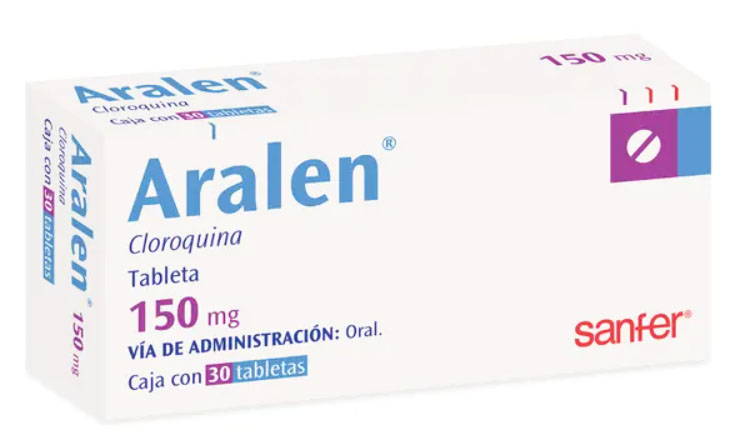
Route of administration
If chloroquine is given intravenously, it should be diluted and infused slowly, since rapid injection can produce toxic concentrations. Toxicity and even death have been reported after larger intramuscular doses, probably because the drug is absorbed quickly in these cases.
Overdose
Acute poisoning, whether accidental or deliberate, can cause headache, drowsiness, vision problems, vomiting and diarrhea, cardiovascular collapse, and respiratory failure. Deaths have been recorded at blood concentrations of 1 µg/ml. Compared with adults, mortality in children after acute chloroquine poisoning is extremely high. Although the clinical picture is mostly similar to that in adults (apnea, seizures, cardiac dysrhythmias), a single 300 mg chloroquine tablet was enough to kill a 12-month-old female infant.
Deaths from chloroquine overdose have been reported with doses as low as 2-3 g in adults, and the death rate is as high as 25%. The effects of chloroquine overdose include cardiac problems, such as dysrhythmias, reduced myocardial contractility, and hypotension, as well as central nervous system complications such as confusion, coma, and seizures.
There have been three reports of chloroquine overdose, two from Oman and one from the Netherlands. The two reports from Oman were similar to previously published reports of chloroquine overdose associated with cardiac dysfunction, confusion, and coma; both patients received standard treatment with activated charcoal, diazepam infusions, and positive inotropic drugs, and both survived. The case report from the Netherlands included pharmacokinetic measurements taken before, during, and after hemoperfusion. This showed that hemoperfusion removed very little chloroquine and was unlikely to be useful in chloroquine overdose, as would be expected given chloroquine's high protein binding and large volume of distribution.
In Zimbabwe, 544 cases of poisoning by a single agent were identified in a retrospective review of hospital records. Antimalarial drugs accounted for the largest proportion of admissions (53%), and chloroquine made up 96% of these (279 cases). The median length of hospital stay in those who took chloroquine was significantly shorter (1 versus 2 days), and more patients took chloroquine deliberately (80% versus 69%). The mortality rate from chloroquine poisoning was significantly higher than from poisoning with other drugs (5.7% versus 0.7%).
Overdose with hydroxychloroquine is much less common than with chloroquine. Three of eight patients died. Life-threatening symptoms, such as hypotension, conduction disturbances, and hypokalemia, can occur within 30 minutes of ingestion and are similar to those seen in chloroquine overdose. The lethal plasma concentration of hydroxychloroquine is not well established. Therapeutic drug concentrations are usually less than 1 µmol/l. Serious toxicity has been reported at plasma concentrations of 2.1-29 µmol/l.
In Canadian practice, management of hydroxychloroquine overdose is similar to chloroquine overdose, including the use of charcoal for drug adsorption, diazepam for seizures and sedation, early intubation and mechanical ventilation, and potassium replacement for severe hypokalemia.
Organs and systems
Cardiovascular
Electrocardiographic changes, including altered T waves and prolongation of the QT interval, are not uncommon during high-dose treatment with chloroquine. The clinical significance of this is uncertain. With chronic poisoning, varying degrees of atrioventricular block can occur; first-degree right bundle branch block and complete atrioventricular block have been described. Symptoms depend on how severe the effects are and can include syncope, Stokes-Adams attacks, and signs of heart failure. Acute poisoning can cause cardiovascular collapse and/or respiratory failure. Cardiac complications can be fatal in both chronic and acute poisoning.
Third-degree atrioventricular conduction defects have been reported in two patients with rheumatoid arthritis after prolonged use of chloroquine.
Intravenous administration can result in dysrhythmias and cardiac arrest; both the speed of administration and the concentration reached are relevant. Deaths have been recorded with blood concentrations of 1 µg/ml; concentrations after a 300 mg dose are usually 50-100 µg/ml.
Long-term chloroquine use can cause cardiac complications, such as conduction disorders and cardiomyopathy (restrictive or hypertrophic), through structural changes in the interventricular septum. Thirteen cases of cardiac toxicity associated with long-term chloroquine and hydroxychloroquine have been reported in patients with systemic autoimmune diseases. The cumulative doses were 600-2281 g for chloroquine and 292-4380 g for hydroxychloroquine.
A 64-year-old woman with systemic lupus erythematosus took chloroquine for 7 years (cumulative dose 1000 g). She developed syncope, and the electrocardiogram showed complete heart block; a permanent pacemaker was inserted. The next year she presented with biventricular heart failure, skin hyperpigmentation, proximal muscle weakness, and chloroquine retinopathy. Coronary angiography was normal. An echocardiogram showed restrictive cardiomyopathy. A skeletal muscle biopsy was characteristic of chloroquine myopathy. Chloroquine was stopped and she improved rapidly with diuretic therapy.
Chloroquine cardiomyopathy occurred during long-term (7 years) treatment for rheumatoid polyarthritis in a 42-year-old woman, who had an isolated acute severe conduction defect confirmed by histological study with electron microscopy.
Regular cardiac evaluation should be considered for people who have taken a cumulative chloroquine dose of 1000 g, particularly older adults.
More than one mechanism may underlie the cardiac side effects of chloroquine. Severe hypokalemia after a single large dose of chloroquine has been documented, and some studies show a correlation between plasma potassium concentrations and the severity of the cardiac effects.
Light and electron microscopic abnormalities were found on endomyocardial biopsy in two patients with heart failure. The first had taken hydroxychloroquine 200 mg/day for 10 years, then 400 mg/day for a further 6 years; the second had taken hydroxychloroquine 400 mg/day for 2 years. A similar case was reported after the use of 250 mg/day for 25 years.
Respiratory
Respiratory collapse can occur with acute overdose.
Acute pneumonitis probably due to chloroquine has been described.
A 41-year-old man with chronic discoid lupus erythematosus was given chloroquine 150 mg twice daily for 10 days followed by 150 mg/day. After 2 weeks he developed fever, a diffuse papular rash, dyspnea, and sputum. A chest X-ray showed peripheral pulmonary infiltrates. He improved after chloroquine was stopped and he was treated with cefpiramide and roxithromycin. No organism was isolated. A later oral challenge with chloroquine provoked a similar reaction.
Nervous system
The incidence of serious nervous system events among patients taking chloroquine for less than a year has been estimated at one in 13 600.
Chloroquine, especially in higher doses, can cause marked neuromyopathy, characterized by slowly progressive weakness with an insidious onset. In many cases, this weakness first affects the proximal muscles of the legs. Reduced nerve conduction time and electromyographic abnormalities typical of both neuropathic and myopathic changes can be found. Histologically, there is a vacuolar myopathy. Neuromyopathy is a rare side effect and is usually limited to patients taking 250-750 mg/day for prolonged periods. The symptoms can be accompanied by other signs of chloroquine toxicity. An 80-year-old woman developed symptoms after taking chloroquine 300 mg/day for 6 months, once again showing that a standard dose can be too much for older adults.
A spastic pyramidal tract syndrome of the legs has been reported. In young children, features of an extrapyramidal syndrome include abnormal eye movements, trismus, torticollis, and torsion dystonia.
Chloroquine can cause seizures in patients with epilepsy. The mechanism is uncertain, but it may involve reductions in inhibitory neurotransmitters and pharmacokinetic interactions that alter anticonvulsant concentrations. Tonic-clonic convulsions were reported in four patients in whom chloroquine was part of a prophylactic regimen. Antiepileptic treatment was needed to control the seizures. None had further seizures after the antimalarial drugs were stopped.
Chloroquine and desethylchloroquine concentrations were studied in 109 Kenyan children during the first 24 hours after admission to hospital with cerebral malaria. Of the 109 children, 100 had received chloroquine before admission. Blood chloroquine and desethylchloroquine concentrations were no higher in children who had seizures than in those who did not, suggesting that chloroquine does not play an important role in the development of seizures in malaria.
A 59-year-old woman had a generalized convulsion 24 hours after returning from a trip to Vietnam. She had a history of partial complex seizures, controlled with carbamazepine, due to a previous ruptured cerebral aneurysm. For the preceding 3 weeks she had been taking chloroquine 100 mg/day and proguanil 200 mg/day. A blood film was negative for malaria. A computed tomography (CT) scan of the brain showed changes compatible with the previous hemorrhage. She was successfully treated with clobazam (dose not stated) until chemoprophylaxis was withdrawn.
The interaction between chloroquine and carbamazepine was not examined. Chloroquine should not be given to adults with a history of epilepsy.
Neuromuscular function
Severe neuromyopathy has been reported in patients taking chloroquine.
Chloroquine-induced neuromyopathy is a complication of chloroquine treatment for autoimmune disorders or of long-term chloroquine use as a prophylactic antimalarial drug.
Sensory systems
Psychological, psychiatric
Many mental changes attributed to chloroquine have been described, including agitation, aggressiveness, confusion, personality changes, psychotic symptoms, and depression. Acute mania has also been recognized. These mental changes can develop slowly and subtly. Mild symptoms, such as fluctuating problems with thinking, memory, and perception, can be early signs, but they may also be the only signs. The symptoms may be related to chloroquine's long half-life and its accumulation, which can lead to high tissue concentrations. Chloroquine also inhibits glutamate dehydrogenase activity and can reduce concentrations of the inhibitory transmitter gamma-aminobutyric acid (GABA).
In some cases of psychosis after recommended doses, symptoms developed after patients had taken a total of 1.0-10.5 g of the drug, with behavioural changes beginning anywhere from 2 hours to 40 days later. Most cases occurred during the first week and lasted from 2 days to 8 weeks.
Transient global amnesia occurred in a healthy 62-year-old man 3 hours after he took 300 mg chloroquine. Recovery was spontaneous after a few hours.
In one centre, toxic psychosis was reported in four children over a period of 18 months. The children presented with acute delirium, marked restlessness, outbursts of increased motor activity, mental unresponsiveness, and insomnia. One child appeared to have visual hallucinations. In each case, chloroquine had been given intramuscularly because of fever. The doses were not recorded. The children returned to normal within 2 weeks.
Metabolism
Hypoglycemia was reported in a fatal chloroquine poisoning in a 32-year-old Black Zambian man. Hypoglycemia has also been seen in patients, especially children, with cerebral malaria. Further studies have shown that hypoglycemia in these African children was usually present before antimalarial drugs were started; in a study in Gambia, hypoglycemia occurred after treatment with the drug had started, although it was not necessarily linked to the treatment. Convulsions were more common in children with hypoglycemia. This often unrecognized complication contributes to morbidity and mortality in cerebral Plasmodium falciparum (P. falciparum) malaria. Hypoglycemia can be treated with intravenous dextrose or glucose, which may help prevent brain damage.
Although hydroxychloroquine has been used to treat porphyria cutanea tarda, there are also reports that it can worsen porphyria.
Electrolyte balance
Severe hypokalemia after a single large dose of chloroquine has been documented, and some studies show a correlation between plasma potassium concentrations and the severity of the cardiac effects. In a retrospective study of 191 consecutive patients who had taken an overdose of chloroquine (mean blood chloroquine concentration 20 µmol/l; usual target concentration up to 6 µmol/l), the mean plasma potassium concentration was 3.0 mmol/l and was significantly lower in those who died than in those who survived. Plasma potassium varied directly with systolic blood pressure and inversely with the QRS and QT intervals. Plasma potassium varied inversely with blood chloroquine.
Hematologic
Chloroquine inhibits myelopoiesis in vitro at therapeutic concentrations and above. In a special test procedure, a short-lasting anti-aggregating effect was seen with chloroquine concentrations of 3.2-32 µg/ml. These effects have clinical consequences. Chloroquine and related aminoquinolines have reportedly caused blood dyscrasias at antimalarial doses. Leukopenia, agranulocytosis, and occasional cases of thrombocytopenia have been reported. There is some evidence that myelosuppression is dose-dependent. This is in line with the hypothesis that 4-aminoquinoline therapy merely accentuates the cytopenia linked to other forms of bone marrow damage.
Some studies have pointed to inhibitory effects of chloroquine on platelet aggregation. In one investigation, this aspect of chloroquine was studied in vitro in a medium containing adenosine diphosphate (ADP), collagen, and ristocetin. There was a highly significant effect at chloroquine concentrations of 3.2-32 µg/ml. However, there were no significant differences in platelet responses to ADP or collagen 2 or 6 hours after adding chloroquine, compared with pre-drug values. The investigators believed that these data gave no cause for concern when using chloroquine for malaria prophylaxis in patients with impaired hemostasis.
Mouth and teeth
Pigmentation of the palate can occur as part of more generalized pigmentation in patients taking chloroquine. Several patients with chloroquine retinopathy seen in Accra were also observed to have depigmented patches on the skin of the face. This may be associated with a grayish pigmentation of the mucosa of the hard palate. Two such cases are reported here to illustrate the condition. Stomatitis with buccal ulceration has also occasionally been mentioned.
Gastrointestinal
Gastrointestinal discomfort is not unusual in patients receiving chloroquine, and diarrhea can occur. Changes in intestinal motility may be responsible; intramuscular injection of chloroquine shortened orofecal time in the five cases in which this was measured. Overdose can cause vomiting.
Skin
Nails
Chloroquine can turn the nail bed blue-brown, and the nail itself can develop longitudinal stripes and show a blue-gray fluorescence.
Immunologic
Allergic contact dermatitis, which progressed to generalized dermatitis and conjunctivitis and was later followed by severe asthma, occurred in a 60-year-old worker in the pharmaceutical industry after exposure to hydroxychloroquine. Patch testing showed delayed sensitivity to hydroxychloroquine. Equivalent tests in five healthy volunteers were negative. The patch test reactions were pustular, and a biopsy was interpreted as multiform contact dermatitis. Bronchial exposure to hydroxychloroquine dust produced delayed bronchial obstruction over the next 20 hours, progressing to fever and generalized erythema (hematogenous contact dermatitis).
Skin lesions and eruptions of different kinds have been attributed to chloroquine, including occasional cases of epidermal necrolysis.
The most common dermatologic side effect associated with chloroquine is skin discomfort, often described as pruritus. It is much more common in people with darker skin and has been attributed to chloroquine binding to higher melanin concentrations in the skin. In a pharmacokinetic study, the ratio of AUC0-48 for chloroquine and its major metabolite, desethylchloroquine, was significantly higher in the plasma and urine of 18 patients with chloroquine-induced pruritus than in 18 patients without it. These results suggest that differences in metabolism and higher chloroquine concentrations may be partly responsible for chloroquine-induced pruritus.
Pruritus begins about 10 hours after the start of treatment, with maximum intensity at about 24 hours. These times correspond to peak serum concentrations of chloroquine and its metabolites after oral ingestion. In many cases, the itch is limited to the palms of the hands and the soles of the feet. In a study in Nigeria, the incidence of pruritus was 60-75%; the itch was considered unbearable in 40%, and 30% refused further chloroquine. In a second study, the incidence was even higher. In another study, the incidence of pruritus was 27%.
Not surprisingly, pruritus is a major reason for nonadherence to treatment, and it may contribute substantially to the emergence and spread of resistant P. falciparum. Pruritus is reported more often in Black people than in White people in Africa, a difference that has been attributed to the binding of chloroquine to melanin, and therefore to a racial predisposition. No such reports have come from America. Antihistamine treatment can help prevent pruritus. Other treatments that have been mentioned include prednisone and niacin, but the results were not impressive.
A few cases of psoriasis, or severe worsening of psoriasis shortly after the start of treatment, have been reported.
Photosensitivity and photoallergic dermatitis have been seen, particularly during prolonged therapy with high doses.
Blue-black pigmentation involving the palate and the face, pretibial, and subungual areas occurs rarely, but it has been associated with retinopathy. The nail bed can turn blue-brown, and the nail itself may develop longitudinal stripes and show a blue-gray fluorescence.
Chloroquine can cause vitiligo.
Fatal toxic epidermal necrolysis has been associated with hydroxychloroquine.
A 39-year-old woman with rheumatoid arthritis took hydroxychloroquine 200 mg bd for painful synovitis, in addition to meloxicam, co-dydramol, and Gaviscon. She inadvertently took twice the prescribed dose of hydroxychloroquine, but stopped it after 2 weeks because of nausea. The next day she developed widespread blotchy erythema, and 2 weeks later she was admitted to hospital with clinical and histological toxic epidermal necrolysis and deteriorated rapidly with multiorgan failure; she died 1 week later.
There have been only a few isolated reports of Stevens-Johnson syndrome associated with hydroxychloroquine. More recently, a clear temporal relationship with the start of hydroxychloroquine treatment has been documented in a patient with rheumatoid arthritis.
An increased frequency of skin reactions to hydroxychloroquine was noted in 11 patients, seven of whom had systemic lupus erythematosus, two discoid lupus, and two a lupus-like syndrome, when a colouring agent (sunshine yellow E) was removed from the formulation; the authors were unable to explain this unexpected finding.
There have been four case reports of photosensitivity associated with hydroxychloroquine, which has an estimated incidence of about 10 per 1000 patient-years.
Hydroxychloroquine causes skin reactions such as urticaria. There is some support for the view that hydroxychloroquine causes skin reactions more often than chloroquine.
Sensory systems
Eyes
Chloroquine and related drugs can cause two typical eye effects: keratopathy and a specific retinopathy. Both are associated with taking the drug over longer periods.
Keratopathy
Chloroquine-induced keratopathy is limited to the corneal epithelium, where high concentrations of the drug are readily demonstrable. Slit lamp examination shows a series of punctate opacities scattered diffusely over the cornea; these are sometimes seen as lines just below the centre of the cornea, while thicker yellow lines may be seen in the stroma. Keratopathy is often asymptomatic, with fewer than 50% of patients reporting symptoms. The most common symptoms are halos around lights and photophobia. Keratopathy can appear after 1-2 months of treatment, but doses below 250 mg/day usually do not cause it. Dust exposure can lead to similar changes. The incidence of keratopathy is high, occurring in 30-70% of patients treated with higher doses of chloroquine. The condition is usually reversible after the drug is stopped and does not appear to threaten vision. There are differences in incidence between chloroquine and hydroxychloroquine. In a survey of 1500 patients, 95% of those taking chloroquine had corneal deposition of the drug, while fewer than 10% of those taking hydroxychloroquine showed any corneal changes.
Retinopathy
Retinopathy linked to long-term use of chloroquine or related drugs is a much more serious side effect and can lead to permanent retinal damage and vision loss. However, it is not possible to predict which patients, or what proportion of patients, with early retinopathy will go on to become blind. The typical appearance is a "bull's-eye" pattern: an intact foveal area surrounded by a depigmented ring, with the whole lesion enclosed by a scattered hyperpigmented area. At this stage, the retinal vessels are constricted, there are changes in the peripheral retinal pigment epithelium, and the optic disc is atrophic. In the early stages, there are changes in the macular retinal pigment epithelium.
However, the picture is not always clear, and peripheral retinal changes may be the first sign. Another sign may be unilateral paramacular retinal edema. Macular changes and the "bull's-eye" pattern are occasionally seen in patients who have never been treated with chloroquine or related drugs. Retinopathy can occur after chloroquine antimalarial chemoprophylaxis for less than 10 years: the lowest reported total dose was 110 g. A case of hydroxychloroquine-induced retinopathy in a 45-year-old woman with systemic lupus erythematosus showed that maculopathy can also be associated with other 4-aminoquinolines.
The resulting functional problems vary and can include difficulty reading, scotomas, impaired colour vision, photophobia, flashes of light, and reduced visual acuity. Symptoms do not parallel the retinal changes. By the time visual acuity becomes impaired, irreversible changes will already have occurred.
Testing visual acuity, central visual fields (with or without red targets), contrast sensitivity, dark adaptation, and colour vision does not provide an early indication of chloroquine retinopathy. Careful ophthalmoscopic examination of the macula can be a sensitive indicator when visual acuity remains intact. More sophisticated tests, such as measurement of the critical flicker fusion frequency and the Amsler grid test (to detect small peripheral scotoma), can also be useful. It is important, whenever possible, to review the results of a pretreatment ophthalmological examination after pupil dilation, reducing the chance of confusing age-related degenerative changes with chloroquine-induced abnormalities.
Although this retinopathy has been recognized for many years, it is still not clear why some patients develop these changes while others do not. There is a clear relationship to daily dosage: retinopathy is rarely seen with daily doses below 250 mg of chloroquine or 400 mg of hydroxychloroquine; the daily dose appears to be more important than the total dose.
Nevertheless, cases of retinopathy have been described after small doses taken for relatively short periods, while prolonged treatment and total doses of 1 kilogram or more have been used in many other patients without any evidence of macular changes. In published cases, there is usually no information about other treatments given previously or at the same time.
More cases are seen in older adults. Patients with lupus erythematosus are more susceptible than patients with rheumatoid arthritis. The presence of nephropathy increases the likelihood of retinopathy, as does taking probenecid at the same time. Sun exposure may also matter, since light increases the risk of retinopathy. The retinal changes are probably related to the concentrating capacity of the melanin-containing epithelium. Chloroquine inhibits the incorporation of amino acids into the retinal pigment epithelium.
Little is known about how retinopathy develops after treatment is stopped. Retinal changes in the early stages are probably reversible if the drug is withdrawn, and progression of severe maculopathy to blindness seems to be less common than once feared. In 1650 patients with 6/6 vision and relative scotomas, there was no further decline in visual acuity after the drug was stopped, but 63% of patients who presented with absolute scotomas lost further vision over a median period of 6 years.
This suggests that stopping chloroquine at an early stage halts progression of the disease.
Three patients with chloroquine retinopathy have been studied using multifocal electroretinography. All three had been taking chloroquine for rheumatological diseases, and all had electroretinographic changes that were detected more sensitively than with full-field electroretinography. Multifocal electroretinography may therefore be a useful technique when assessing suspected subtle chloroquine retinopathy.
The need for routine ophthalmological testing in all patients taking chloroquine is still debated, with cost-benefit being an obvious factor. Current opinion appears to be that at doses not exceeding 6.5 mg/kg/day of hydroxychloroquine, used for no longer than 10 years and with periodic checks of kidney and liver function, the likelihood of retinal damage is negligible and ophthalmological follow-up is not required. However, patients taking chloroquine or higher doses of hydroxychloroquine should be monitored.
Other adverse effects on the eyes
Rhegmatogenous retinal detachment and bitemporal hemianopsia have both been reported in association with chloroquine retinopathy. Bilateral edema of the optic nerve occurred in a woman who took chloroquine 200 mg/day for 2.5 months. Diplopia and impaired accommodation (difficulty shifting focus quickly from near to far vision and back again) also affect a minority of patients.
Ears
Ototoxicity has occasionally been mentioned over the years; tinnitus and hearing loss can occur with high doses. Symptoms described after injection of chloroquine phosphate include a case of cochlear vestibular dysfunction in a child. However, there is not enough evidence to attribute ototoxicity to chloroquine in humans except as a rare individual phenomenon. In guinea pigs given chloroquine 25 mg/kg/day intraperitoneally, one of the first signs of poisoning was ototoxicity.
Unilateral sensorineural hearing loss occurred in a 7-year-old girl with idiopathic pulmonary hemosiderosis after she had taken hydroxychloroquine 100 mg twice daily for 2 years.
Taste
Disturbances of taste and smell have been attributed to chloroquine.
Side Effects
Chloroquine is rapidly and almost completely absorbed from the intestinal tract, with peak serum concentrations reached within 1-6 hours (average 3 hours). It is extensively distributed, followed by redistribution. It is slowly metabolized by side-chain de-ethylation. The half-life is 30-60 days. Elimination is mainly through the kidneys. Malnutrition can slow the rate of metabolism.
Comparative studies
Amodiaquine and chloroquine have been compared in an open, randomized trial in uncomplicated falciparum malaria in Nigerian children. The doses were amodiaquine 10 mg/kg/day for 3 days and chloroquine 10 mg/kg/day for 3 days. After 28 days, the cure rate was significantly higher with amodiaquine than with chloroquine (95% versus 58%). The rates of side effects, most commonly pruritus (10%) and gastrointestinal disturbances (3%), were similar in the two groups. Cross-resistance between the two aminoquinolines is common, and there are concerns about toxicity with repeated use of amodiaquine.
General adverse effects
There are relatively few side effects at the doses of chloroquine used for malaria prophylaxis and standard treatment. However, using higher doses than recommended, for example because of resistance problems, can cause difficulties. Infants are very easily overdosed. In the treatment of rheumatoid arthritis and lupus erythematosus, larger doses are used, often for long periods, and with this use the rate of side effects is high. Neuromyopathy, neuritis, myopathy, and cardiomyopathy can cause serious problems. Retinopathy can lead to blindness. Chloroquine has a long half-life and accumulates in tissues, including the brain. Concentrations in the brain can affect mental status and psychotic syndromes. Chloroquine interferes with the action of several enzymes, including alcohol dehydrogenase, and blocks the sulfhydryl-disulfide interchange reaction. Allergic reactions are generally limited to rashes and pruritus.
Long-Term Effects
Drug tolerance
Chloroquine-resistant falciparum malaria was first reported in 1960. As of 1996, chloroquine resistance had become widespread around the world, and in many areas there is multidrug resistance. Preventive use of drugs such as chloroquine, primaquine, and pyrimethamine, as well as various sulfonamide mixtures and combinations of sulfonamides with trimethoprim, has progressively lost its usefulness. Currently, scarcely half a century after these therapeutic breakthroughs, quinine is once again one of the most valuable drugs in the treatment of malaria, and there is a pressing need for other effective drugs.
Alongside the well-known development of resistance of P. falciparum to chloroquine, the emergence of chloroquine-resistant Plasmodium vivax is now clear. An increased frequency of cerebral malaria appears to coincide with the growing emergence of chloroquine-resistant strains in Francophone Africa.
Second-Generation Effects
Pregnancy
Chloroquine inactivates deoxyribonucleic acid (DNA) and crosses the placenta in animals. Caution has generally been advised regarding the use of chloroquine and related compounds during pregnancy, but apart from one possibly coincidental case, there have been no reports of complications in mother or child from treatment with chloroquine during pregnancy.
An observational comparison in a rural Ghanaian hospital of 2083 pregnant women and 3084 historical controls showed no serious adverse events with chloroquine chemoprophylaxis (300 mg/week), but a high rate of pruritus. There was a decrease in anemia during pregnancy, but no increase in perinatal mortality or birth weight in the chloroquine-treated mothers, although this was only in comparison with historical controls.
Susceptibility Factors
Genetic factors
Mutations in the ABCR gene (a photoreceptor-specific adenosine and adenosine triphosphate-binding cassette transporter gene) have been associated with Stargardt disease, which has some features similar to chloroquine-induced retinopathy. In a case-control study of eight cases of chloroquine-induced retinopathy, five of the eight cases had missense mutations in the ABCR gene, two of which have been associated with Stargardt disease. It may be that polymorphisms in the ABCR gene predispose patients to chloroquine-induced retinopathy.
Age
Small children have usually been considered relatively more sensitive to the effects of overdose, but it has been calculated that, on an mg/kg body weight basis, adults are in fact equally sensitive. Young children do seem to be more susceptible to gastric irritation. Patients with a history of mania or epilepsy should be cautious when taking chloroquine. The hypoxemic effects of chloroquine, reflecting cardiac and respiratory toxicity, pose a particular problem in newborns, in whom existing malarial infection may not become clinically apparent until some months after birth.
Compared with adults, mortality in children after acute chloroquine poisoning is extremely high. Although the clinical presentation is mostly similar to that in adults (apnea, seizures, cardiac dysrhythmias), a single 300 mg chloroquine tablet was enough to kill a 12-month-old female infant.
Other features of the patient
Skin reactions to hydroxychloroquine occur more often in patients with dermatomyositis than in patients with systemic lupus erythematosus, as shown in a retrospective case-control study matched for age, sex, and race in 78 patients. Twelve of 39 patients with dermatomyositis developed a skin reaction to hydroxychloroquine, compared with only one of 39 patients with lupus erythematosus.
Drug-Drug Interactions
Amlodipine
Syncope occurred in a 48-year-old man with hypertension who took oral chloroquine sulfate (total 600 mg base) while also taking amlodipine 5 mg/day. Chloroquine and amlodipine both cause vasodilation, perhaps through release of nitric oxide, and the syncope in this case was probably due to a synergistic mechanism. Malaria itself can also provoke orthostatic reactions, which may explain why syncope is not a reported side effect of chloroquine. However, malaria had been excluded in this patient.
Antibiotics
Studies of chloroquine used in combination with antibiotics showed an antagonistic effect with penicillin but a synergistic effect with chlortetracycline. Urinary tests after single doses of ampicillin 1 g and chloroquine 1 g showed a significant reduction in the systemic availability of ampicillin.
Clinical Studies in Canada
In Canada, clinical research on chloroquine has been limited and has focused mainly on its older uses, such as treating malaria and certain autoimmune conditions, while much of the more recent attention has centred on hydroxychloroquine instead. During the COVID-19 pandemic, Canadian investigators and institutions took part in international and domestic studies assessing chloroquine or related drugs, but these trials did not show meaningful clinical benefit and raised concerns about adverse effects, particularly cardiac toxicity. As a result, chloroquine has not become an established COVID-19 therapy in Canada, and its clinical role remains narrow and largely historical.
Chlorphenamine
Chlorphenamine enhances the efficacy of chloroquine in acute uncomplicated falciparum malaria, but the disposition of chloroquine in these circumstances is unpredictable. Chloroquine (25 mg/kg) was given orally over 3 days in combination with chlorphenamine to Nigerian children with parasitemia. The peak whole-blood chloroquine concentration was increased and the time to peak concentration shortened. In small trials, there appeared to be an increase in the QT interval with this combination, but less than with halofantrine. However, in other studies, adding chlorphenamine to chloroquine did not increase the cardiac effects of chloroquine.
Ciclosporin
Chloroquine can increase ciclosporin blood concentrations.
Cimetidine
Cimetidine enhanced the susceptibility of P. falciparum to chloroquine in vitro in 60% of isolates.
Digoxin
The pharmacokinetic interaction of quinidine with digoxin also occurs with quinine and hydroxychloroquine.
Fansidar (sulfadoxine + pyrimethamine)
The combined use of Fansidar (sulfadoxine + pyrimethamine) with chloroquine has been reported to result in more severe side effects. However, an increased risk has not been reported in recent studies.
Halofantrine
There is an increased risk of dysrhythmias, including torsade de pointes, when halofantrine is combined with quinine/quinidine or chloroquine and any other drug that prolongs the QT interval.
Insulin
There may be an interaction between chloroquine and insulin. An oral glucose load given to healthy subjects and to patients with non-insulin-dependent diabetes mellitus, before and during a short course of chloroquine, showed a small but significant reduction in fasting blood glucose concentration in the control group and improved glucose tolerance in the patients. The response seems to reflect reduced degradation of insulin rather than increased pancreatic output.
Quinine
Chloroquine antagonizes the action of quinine against P. falciparum in vivo. However, no such evidence of antagonism was found in a study in which Malawian children with cerebral malaria were treated with quinine. There was no difference in survival or rate of recovery in patients who had also been given chloroquine compared with those who had not.
Thyroxine
A marked increase in serum thyroid-stimulating hormone (TSH) occurred in the same patient on two occasions after several weeks of antimalarial prophylaxis with chloroquine and proguanil, the likely mechanism being enzyme induction and increased thyroxine catabolism.
Vaccines
Chloroquine 300 mg/week adversely affected the antibody response to human diploid-cell rabies vaccine given at the same time. The mean rabies-neutralizing antibody titre was significantly reduced on each day of testing. In contrast, retrospective studies of the response to pneumococcal polysaccharide in patients with systemic lupus erythematosus taking chloroquine or hydroxychloroquine, and of the response to tetanus-measles-meningococcal vaccine in a region of Nigeria where malaria is endemic, did not show an effect on antibody production. However, it was pointed out that the altered immune status of patients with systemic lupus erythematosus makes it difficult to compare their response with that of young healthy adults receiving rabies vaccine. Illness and nutritional status could have influenced the findings in the Nigerian study.
Verapamil
Verapamil completely reversed pre-existing in vitro resistance to chloroquine to below the cut-off point of 70 nmol/l.
Smoking
Antimalarial drugs (chloroquine, hydroxychloroquine, or quinacrine) were given to 36 patients with cutaneous lupus, of whom 17 were smokers and 19 non-smokers. The median number of cigarettes smoked was one pack/day, with a median duration of 12.5 years. There was a reduction in the efficacy of antimalarial therapy in the smokers. Patients with cutaneous lupus should therefore be encouraged to stop smoking, and clinicians may consider increasing the doses of antimalarial drugs in smokers with refractory cutaneous lupus before starting a cytotoxic agent.