We carry Differin Gel 0.1% (adapalene) in 15 g tubes, with package sizes from two to ten tubes so returning customers can match an order to their skincare routine. This once-daily topical retinoid helps clear and prevent acne by normalizing how skin cells shed inside the follicle.
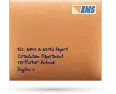
Your order is carefully packed and ships within 24 hours. Here is what a typical package looks like.
Sized like a regular personal letter (approximately 24x11x0.7 cm), with no indication of what is inside.
Front View
Side View
Back View
Shipping Times
Shipping Method
Estimated delivery
Express Free for orders over C$420.08
Estimated delivery to Canada: 4-7 days
Standard Free for orders over C$280.05
Estimated delivery to Canada: 14-21 days
Payment Methods
Discount Coupons
Victoria Day - May 18, 2026 8%VICTORIA8
Canada Day - July 1, 2026 10%CANADADAY10
Labour Day - September 7, 2026 6%LABOUR6
Thanksgiving (Canada) - October 12, 2026 9%THANKS9
Boxing Day - December 26, 2026 12%BOXING12
FAQ
No. In Canada, topical adapalene at a concentration of 0.1% or less is not on the federal Prescription Drug List, so adapalene 0.1% gel does not require a prescription.
Do not use gel that has visibly changed colour, developed an unusual odour, separated, or changed markedly in texture. Keep the tube tightly closed at 20°C to 25°C, protect it from freezing, and have the product checked if its condition is uncertain.
The manufacturer of the supplied product may vary. The manufacturer's name is shown on the product packaging.
Adapalene 0.1% gel is usually applied once daily in the evening as a thin layer over the entire acne-prone area after the skin has been gently washed and completely dried. Avoid the eyes, lips, inside of the nose, and broken, sunburned, or eczematous skin; wash hands after application. Using more gel or applying it more often does not improve results and can increase dryness and irritation.
Adapalene 0.1% gel is a topical retinoid used to treat acne vulgaris. It helps prevent new clogged pores and can reduce inflammatory acne lesions over time. It is intended for use on acne-prone skin rather than as a spot treatment for an individual pimple.
Description
Note:
Images in the description are provided for informational purposes and may differ from the actual appearance of the product. Please refer to the product name, strength, ingredients, and dosage form.
Differin Gel 0.1%: The Retinoid Built for Everyday Acne Care
Differin Gel 0.1% (adapalene) has a practical distinction: adapalene is a true topical retinoid rather than a milder cosmetic retinol, and topical adapalene at 0.1% has non-prescription status in Canada. For a customer comparing acne treatments, that matters because Differin provides established follicular action with a generally more tolerable irritation profile than tazarotene and many tretinoin formulations, although individual responses vary. We offer it as a single-ingredient 0.1% gel in 15 g tubes, packed from two up to ten tubes, so someone starting or maintaining a long-term acne routine can choose a quantity that matches where they are in treatment.
What Differin Is and Why Its Formulation Matters
Differin's active ingredient is adapalene, classified as a topical retinoid (ATC code D10AD03) and supplied as a 0.1% gel for topical application only. We sell it exclusively in this gel form and strength, in 15 g tubes; we do not offer an alternate concentration, a cream base, or a combination formulation under the Differin name. That single-ingredient identity is the point of comparison to keep in mind throughout this guide: products that pair adapalene with benzoyl peroxide, such as Epiduo, are a distinct combination therapy, not a stronger or weaker version of the same tube.
Who May Consider Differin Gel?
Adapalene 0.1% gel is indicated for acne vulgaris, and its evidence base and labelling are strongest for mild to moderate comedonal and inflammatory acne. Before choosing it, it helps to recognize where it tends to fit best:
Teenagers aged 12 and older and adults with ongoing whitehead, blackhead, or mild inflammatory breakouts.
Anyone who has tried benzoyl peroxide or salicylic acid alone without adequate control and wants to consider a topical retinoid.
People with reactive or easily irritated skin who want a retinoid generally known for a more tolerable starting profile than tretinoin or tazarotene.
Customers who prefer a straightforward, single-ingredient product rather than a fixed-dose combination gel.
It is not the right starting point for anyone who is pregnant or planning pregnancy, given the contraindication described below, and paediatric use under 12 years is not established.
How Adapalene Works and What That Means for Your Skin
Adapalene is a third-generation retinoid that binds selectively to specific retinoic acid receptors in follicular skin cells. In practice, this normalizes how those cells mature and shed, which helps keep the follicle from becoming plugged with the dead skin cells and sebum that form comedones. It also has comedolytic and anti-inflammatory actions that help existing lesions resolve. Unlike a purely exfoliating acid, adapalene acts within the follicle lining rather than only on the skin's surface, which is part of why consistent use, not occasional application, drives results.
The diagram above traces this follicular action step by step. It is worth reviewing alongside the routine details in the next section, since the mechanism explains why patience and consistent application matter more than the amount applied at any one time.
How to Use Differin and Build a Sustainable Routine
Adapalene is applied once daily, usually in the evening. Evening application can make a consistent routine easier, but adapalene itself is relatively photostable. Sun protection remains important because excessive ultraviolet exposure and treatment-related irritation can make the skin less tolerant during therapy. A practical routine looks like this:
Cleanse the face with a mild, non-abrasive cleanser and pat the skin fully dry; applying the gel to damp skin may increase irritation.
Dispense a pea-sized amount of Differin Gel 0.1% for the entire face, rather than spot-treating individual blemishes.
Dot the gel across the forehead, cheeks, nose, and chin, then spread it in a thin, even layer, avoiding the eyes, lips, and any broken or eczematous skin.
Follow with a fragrance-free moisturizer if the skin feels tight, which is common during the first weeks.
Apply broad-spectrum sunscreen every morning and limit excessive sun or tanning-bed exposure.
Food does not affect adapalene because the medicine is applied to the skin rather than swallowed. Allow the gel to dry before applying other skincare products or cosmetics, and avoid using more than directed because a thicker layer will not work faster and may increase irritation.
The Package Options We Offer
We list Differin Gel 0.1% in 15 g tubes only, with order quantities from two to ten tubes. How long one tube lasts depends on the size of the treatment area and the amount applied, so quantity should be based on actual use rather than a fixed duration estimate. A two-tube order may suit someone beginning a trial of the medicine, while larger quantities may be practical for a person who already tolerates adapalene and is maintaining a long-term routine. Storage space, expiry dates, and individual tolerance are also worth considering before selecting a larger package. We do not offer a combination adapalene-benzoyl peroxide product, a higher adapalene strength, or a non-gel base under this listing.
How Long Until You See Results?
Retinoid treatment is a cumulative process, not an immediate fix. Some people using adapalene 0.1% gel notice changes in skin texture or fewer new comedones within four to eight weeks, while a fuller assessment of inflammatory and non-inflammatory lesions usually requires about twelve weeks of consistent use. Acne can appear worse during the first few weeks, and dryness, redness, or peeling can also obscure early progress. This initial worsening is not proof that the medicine is working, and marked or persistent deterioration should be discussed with a healthcare professional. If irritation makes continued nightly use difficult, reducing application frequency temporarily, using a moisturizer, or pausing treatment until the skin settles may be more appropriate than applying extra gel.
Important Safety Priorities
Adapalene is generally well tolerated for a retinoid, but a few safety points deserve real attention rather than a passing mention:
Local irritation, including dryness, redness, mild burning, and peeling, is common early in treatment and often eases with continued use and moisturizing.
Daily sunscreen and limiting deliberate sun or tanning-bed exposure help protect skin that may already be irritated during treatment.
Adapalene is contraindicated during pregnancy and in anyone planning a pregnancy, and treatment should stop if pregnancy occurs while using it.
Breastfeeding calls for caution; it is not established whether adapalene passes into human milk, and the gel should not be applied to the chest area during nursing.
Use in children under 12 is not established, while adolescents aged 12 and older and adults are covered by the standard indication.
The firm hypersensitivity restriction is a known allergy to adapalene or another ingredient in the gel; an unrelated allergy history is not itself a reason to avoid it.
Adapalene has no known relevant effect on driving-related alertness or blood glucose control, and systemic absorption following topical use is minimal.
Interactions and Practical Precautions
Because adapalene works on the skin and has minimal systemic absorption, it has few systemic drug interactions. Combining it carelessly with other skin treatments can still undermine comfort and adherence:
Avoid layering adapalene with strong exfoliants, such as high-strength glycolic or salicylic acid products, if the combination causes excessive dryness or irritation.
Adapalene is relatively photostable and can be used in acne regimens that also contain benzoyl peroxide, including stabilized combination products. When separate products cause irritation, applying them at different times of day or on different days may improve tolerability.
Waxing, harsh scrubs, and some in-clinic exfoliating treatments should be spaced away from adapalene use because treated skin may be more easily irritated.
Other prescription retinoids, including oral isotretinoin, should not be combined with topical adapalene unless a clinician specifically recommends it; concurrent use may substantially increase dryness and irritation.
How Does Differin Compare With Other Retinoid and Acne Options?
Differin Gel 0.1% is one of several ways to approach acne with a retinoid or a related topical treatment, and the appropriate choice depends on tolerance, acne severity, pregnancy status, and how a person's skin has responded to previous treatment. The comparisons below focus on relevant alternatives rather than a generic list.
Differin Gel 0.1% Compared With Tazarotene
How does Differin compare with Tazarotene?
Feature
Differin
Tazarotene
Active ingredient
Adapalene
Tazarotene
Therapeutic class
Third-generation topical retinoid
Third-generation receptor-selective retinoid
Common use
Topical treatment of acne vulgaris
Topical treatment of acne vulgaris and plaque psoriasis
Dosage form
Gel
Cream or gel
Available strengths
0.1%
0.05%, 0.1%
Tolerability profile
Generally milder initial irritation profile
Potent receptor activity; often causes more noticeable peeling initially
A comparison of two topical retinoids used in acne management.
Tazarotene is another topical retinoid used for acne and, in other formulations, psoriasis. It can be effective for acne but is often more irritating than adapalene, and product selection should account for acne severity, previous response, and tolerance. Like adapalene, tazarotene requires strict pregnancy precautions, and a prescriber can help determine whether its potential benefits justify the greater likelihood of irritation.
Differin Gel 0.1% Compared With Tretinoin
How does Differin compare with Tretinoin?
Feature
Differin
Tretinoin
Active ingredient
Adapalene
Tretinoin
Retinoid generation
Third-generation synthetic retinoid
First-generation retinoid
Common use
Topical treatment of acne vulgaris
Acne vulgaris and photoaging
Dosage form
Gel
Cream or gel
Available strengths
0.1%
0.025%, 0.05%, 0.1%
Stability and tolerability
Photostable molecule with favourable skin tolerability
Light-sensitive formulation typically applied at bedtime
A comparison of single-agent topical retinoids for acne care.
Tretinoin was the original topical retinoid and remains widely used for acne and photoaging. Many tretinoin formulations can be more irritating than adapalene, and some are less photostable, although tolerability varies with concentration, formulation, and application routine. Adapalene is therefore a common option for people who want topical retinoid treatment with a potentially easier adjustment period.
Differin Gel 0.1% Compared With Epiduo
How does Differin compare with Epiduo?
Feature
Differin
Epiduo
Active ingredient
Adapalene
Adapalene and benzoyl peroxide
Therapeutic approach
Retinoid monotherapy
Fixed-dose retinoid and antimicrobial combination
Common use
Topical treatment of acne vulgaris
Topical treatment of acne vulgaris with comedones and inflammatory lesions
Dosage form
Gel
Topical gel
Available strengths
0.1% (adapalene)
0.1% adapalene + 2.5% benzoyl peroxide
Fabric interaction
Does not bleach fabrics or hair
Benzoyl peroxide component can bleach towels, clothing, and hair
A comparison of single-agent adapalene and combination acne therapy.
Epiduo combines adapalene with benzoyl peroxide in one stabilized gel, addressing follicular plugging and inflammation through complementary mechanisms while benzoyl peroxide also reduces acne-associated bacteria. Combination treatment can be useful for inflammatory acne, but it may add dryness, irritation, and the fabric-bleaching considerations associated with benzoyl peroxide. Single-ingredient Differin may be preferable when tolerability, flexibility, or identifying the source of irritation is a priority.
For readers weighing acne care more broadly, our Skin Care section brings together other topical options worth reviewing alongside this comparison.
Do You Need a Prescription to Order Differin in Canada?
In Canada, topical adapalene at 0.1% or below is exempt from the federal Prescription Drug List, so Differin Gel 0.1% has non-prescription status in the Canadian market. Differin Gel 0.1% is also listed in Health Canada's Drug Product Database as an authorized product. In line with that classification, we do not require a prescription to accept an order for it. This is simply how the product is classified and how our ordering process works; it does not change the safety guidance above. Our pharmacist team remains available if a customer wants to discuss suitability, especially around pregnancy, breastfeeding, significant irritation, or use alongside other acne treatments.
Ordering, Delivery, and Receiving Your Differin Gel
We have operated as AntiInfectiveMeds since 2010, and our ordering process for Differin Gel 0.1% reflects that experience: choose a package from two to ten 15 g tubes, complete checkout in Canadian dollars, and reach our support team by email, online chat, or phone if any question comes up before or after ordering. Our team is available 24/7, with a pharmacist on hand. Tubes are packed to protect the gel in transit and should be stored at 20°C to 25°C once received, with brief excursions between 15°C and 30°C permitted; keep each tube tightly closed and protect it from freezing. We treat delivery timeframes as estimates rather than guarantees, and our support channels can confirm current expected delivery windows for a specific postal code at the time of ordering.
Is Differin the Right Choice for Your Next Order?
Differin Gel 0.1% is a well-established acne retinoid that provides follicular-level action with a generally more tolerable adjustment profile than tazarotene and many tretinoin formulations, without the added benzoyl peroxide considerations built into Epiduo. If mild to moderate acne is the concern, tolerance for irritation is a priority, and a straightforward single-ingredient routine fits how someone wants to manage their skin, Differin may be a practical option. If acne is severe, is causing scars, has not improved after an adequate adapalene trial, or is accompanied by substantial irritation, a healthcare professional can assess whether tretinoin, tazarotene, a combination product such as Epiduo, or another treatment approach would be more appropriate.
MD, infectious diseases specialist and medical writer
Updated August 31, 2026
Customer questions
Q
Asked by Ava Thompson, Iqaluit, Canada
I live in Iqaluit. How can I find out whether Differin gel can be shipped to my address?
A
Answered by Support team
Enter your full Iqaluit delivery address and postal code during checkout to confirm whether shipping is available for that destination. Availability can vary for remote routes.
Q
Asked by Noah Chen, Winnipeg, Canada
I use a benzoyl peroxide cleanser in the morning for acne. Can I still apply adapalene gel at night?
Yes, benzoyl peroxide and adapalene are commonly used together for acne, and using the cleanser in the morning with adapalene at night can be a practical routine. Both can cause dryness or irritation, so use a gentle moisturizer and reduce irritating products if your skin becomes very red, sore, or peeling.
Product specifications
Active ingredient
Adapalene
Drug class
Topical retinoid
Dosage form
Gel
Available strengths
0.1%
Route of administration
Topical
Storage
Store at 20°C to 25°C, with brief excursions permitted between 15°C and 30°C; keep the tube tightly closed and protect from freezing.
ATC code
D10AD03
Regulatory information
Authorization statusAdapalene is authorized for human medical use in Canada.
Prescription requirementThis topical gel is a prescription medicine and requires a valid prescription from an authorized prescriber in Canada.