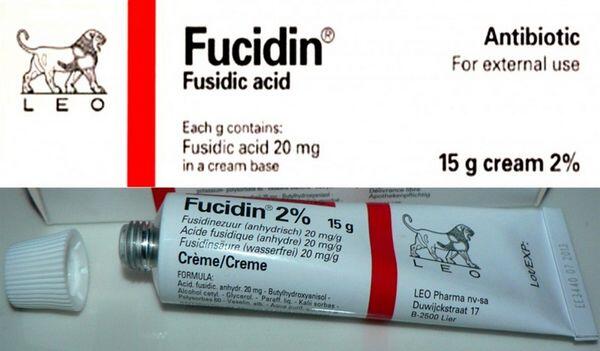
Uses and Administration
Fusidic acid is a topical antibiotic used to treat certain bacterial skin infections caused by susceptible organisms. It is most often used for localized infections such as impetigo or infected dermatitis. Use this medication exactly as directed by your prescriber.
Canadian note: Fusidic acid products are not authorized by Health Canada for all uses and may have limited availability in Canada. The information below is based on product information from outside Canada; indications and availability vary by country.
Topical fusidic acid 2% (20 mg/g) is used for primary and secondary bacterial skin infections caused by susceptible organisms, such as impetigo and other localized infected skin conditions. Adults and children: apply gently to the affected area three to four times daily on uncovered lesions; less frequent application may be enough under a dressing. Treatment courses are commonly 7-14 days; follow your prescriber's directions.
Use on sensitive areas
Fucidin cream can be used on the face or other sensitive skin areas when prescribed for a bacterial skin infection. Apply a thin layer and use it carefully around the eyes; avoid contact with mucous membranes. Fusidic acid is an antibiotic and is not meant as a general treatment for itchy skin unless the itching is related to an underlying bacterial infection, such as infected eczema or dermatitis. If symptoms persist, spread, or the main problem is itching without clear signs of infection, a different treatment may be needed-seek medical advice.
Antimicrobial action
Fusidic acid is a steroidal antibacterial agent that works mainly against Gram-positive bacteria. It inhibits bacterial protein synthesis by blocking elongation factor G (EF-G), which is involved in translocation and elongation. It is very active against staphylococci, including Staphylococcus aureus (including methicillin-resistant strains in some settings), and may also have activity against some other Gram-positive organisms.
Resistance
Resistance of Staphylococcus aureus to fusidic acid has been reported, particularly with widespread topical use. To help reduce resistance, avoid prolonged or repeated use unless it is clinically indicated.
Clinical Studies in Canada
Canadian clinical literature on fusidic acid has focused mainly on topical use for uncomplicated skin infections, including impetigo and infected dermatitis. Studies have generally found it effective against susceptible Staphylococcus aureus and clinically comparable to other topical antibiotics. Some Canadian research has also looked at surveillance and susceptibility patterns, highlighting concerns about resistance emerging with repeated or widespread use, especially in staphylococci. Overall, the Canadian evidence supports fusidic acid as a useful topical option when guided by local resistance patterns and appropriate antimicrobial stewardship.
Adverse effects and precautions
With topical fusidic acid/sodium fusidate, side effects are usually limited to local skin reactions such as irritation, burning, itching, or contact dermatitis. If severe irritation or signs of allergy occur, stop using it and seek medical advice.
As with all antibiotics, extended or repeated topical use may increase the risk of antibiotic resistance and contact sensitization. Use the shortest effective course and avoid repeated courses unless advised by a clinician.
Use with care when applying near the eyes, as local irritation may occur. If used during breast-feeding, avoid applying it to the breast to reduce the risk of unintentional oral exposure to the infant.
Tell patients not to smoke or go near open flames during use because there is a potential fire risk if fabric (clothing, bedding, dressings) becomes soaked with the product; wash any fabrics that have been in contact with it.
Interactions
No formal interaction studies have been done for topical fusidic acid. Interactions with systemically administered medications are considered minimal because systemic absorption after topical use is negligible.
In Canada, John M. Conly, MD, Professor of Medicine and Microbiology and an infectious diseases physician, is a researcher who has studied fusidic acid.
Statins
Systemic fusidic acid should not be used together with statins because of a risk of severe rhabdomyolysis. This warning applies to systemic formulations; it is not expected with topical use because systemic absorption is negligible.
Storage
Store at room temperature and keep the tube tightly closed. Do not freeze. Keep out of reach of children. Follow any additional storage instructions on the package label.
Canadian physicians recommend storing fusidic acid according to the storage instructions.