Uses
Ketoconazole tablets (oral ketoconazole) are used to treat certain serious systemic fungal infections only when other effective antifungal treatment is not available or cannot be tolerated and when the potential benefits are considered to outweigh the potential risks.
According to Canadian product information, ketoconazole tablets are indicated for the treatment of the following systemic fungal infections in patients who have not responded to or cannot tolerate other therapies: blastomycosis, coccidioidomycosis, histoplasmosis, chromomycosis (chromoblastomycosis), and paracoccidioidomycosis.
This medicine should not be used as initial treatment for severe, life-threatening infections. Because cerebrospinal fluid (CSF) levels after oral use are unpredictable, ketoconazole tablets should not be used to treat fungal infections of the CNS, including fungal meningitis. Close follow-up during and after treatment is recommended.
This information applies to oral tablets. Topical ketoconazole products (for example,
cream, shampoo, or foam) have different uses and directions.
Blastomycosis
Oral ketoconazole is used to treat blastomycosis caused by Blastomyces dermatitidis in selected patients when other effective antifungal treatment is not available or cannot be tolerated. Severe disease, including suspected CNS involvement, generally requires specialist care and alternative systemic treatment.

Chromomycosis
Oral ketoconazole has been used for chromomycosis (chromoblastomycosis) caused by Phialophora spp. Response can vary, and treatment should be individualized by a clinician with experience in systemic mycoses.
Coccidioidomycosis
Oral ketoconazole is used for mild to moderate coccidioidomycosis in selected patients when other effective treatments cannot be used. Severe lung disease or disseminated infection requires intensive antifungal treatment under medical supervision.
Histoplasmosis
Oral ketoconazole is used for histoplasmosis caused by Histoplasma capsulatum in selected patients when other effective treatments are not available or cannot be tolerated. The choice of treatment depends on disease severity, immune status, and clinical response.
In Canada, the DIN for ketoconazole and products such as Nizoral is 02230702.
Paracoccidioidomycosis
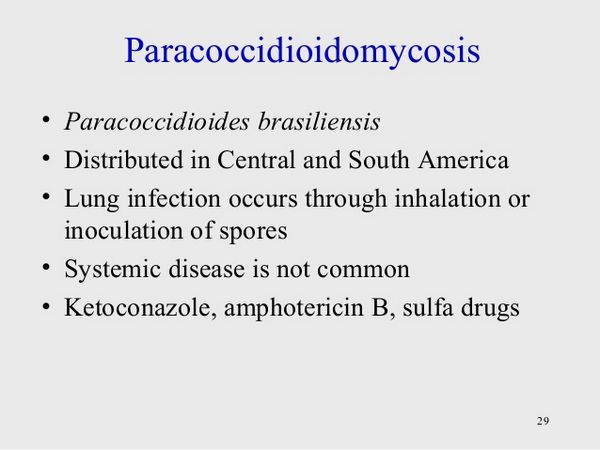
Oral ketoconazole is used to treat paracoccidioidomycosis (South American blastomycosis) caused by Paracoccidioides spp., especially when alternative antifungal treatment is not available or cannot be tolerated.
Dosage and Directions
Take ketoconazole tablets exactly as prescribed by your healthcare provider.
Canadian product information generally recommends an initial adult dose of 200 mg once daily. In severe infections, or if the expected clinical response is not achieved, the dose may be increased to 400 mg once daily based on clinical response and tolerability.
Pediatric use: ketoconazole tablets have not been systematically studied in children. Use in pediatric patients is generally avoided unless a specialist determines that the potential benefit outweighs the risks.
Administration
Ketoconazole needs stomach acid to be absorbed properly. Medicines that reduce stomach acid, such as antacids, H2-blockers, and proton pump inhibitors, may reduce absorption. If you take acid-reducing medicines or have low stomach acid, ask your prescriber or pharmacist how to take ketoconazole and how to space your doses.
Important Safety Information
Ketoconazole tablets can cause serious side effects, including severe liver injury (which may be fatal or require a liver transplant), adrenal insufficiency, and QT prolongation (serious heart rhythm problems). In Canada, your healthcare provider may order blood tests to check your liver function before and during treatment.
In Canada, ketoconazole is available in the following forms: cream, shampoo, tablet.
When to seek medical help
Stop taking ketoconazole tablets and get medical help right away if you develop symptoms of liver injury, such as loss of appetite, nausea/vomiting, unusual tiredness, stomach pain, dark urine, light-coloured stools, yellowing of the skin or eyes, fever, or rash.
Precautions
Tell your healthcare provider if you have liver problems now or have had them in the past, heart rhythm problems, adrenal problems, or if you take multiple medications, including over-the-counter products and supplements. Avoid alcohol while taking ketoconazole tablets.
Contraindications
Ketoconazole tablets are contraindicated in patients with known hypersensitivity to ketoconazole.
Because ketoconazole can prolong the QT interval and cause serious drug interactions, taking it together with certain medicines is contraindicated. Examples listed in official product information include dofetilide, quinidine, pimozide, cisapride, methadone, disopyramide, dronedarone, and ranolazine (and in some product information, lurasidone), due to the risk of life-threatening ventricular dysrhythmias such as torsades de pointes.
Taking ketoconazole with certain benzodiazepines, such as oral midazolam or triazolam, is contraindicated because ketoconazole can greatly increase their levels and effects.
Pregnancy and Breastfeeding
Pregnancy: Tell your healthcare provider if you are pregnant or plan to become pregnant. It is not known whether ketoconazole tablets will harm your unborn baby.
Breastfeeding: Ketoconazole can pass into breast milk. You and your healthcare provider should decide whether you will take ketoconazole tablets or breastfeed. You should not do both.
Possible Side Effects
Side effects may include nausea, abdominal discomfort, diarrhea, headache, dizziness, and abnormal liver function tests. Ketoconazole can interfere with steroid biosynthesis and may cause hormone-related side effects, such as gynecomastia, menstrual irregularities, decreased libido, or adrenal suppression, especially at higher doses.
Drug Interactions
Ketoconazole is a strong inhibitor of CYP3A4 and has many clinically significant drug interactions. Some combinations are contraindicated because of the risk of serious heart rhythm problems (QT prolongation), excessive sedation, or other severe side effects.
Drug classes that may interact include medicines that affect heart rhythm, certain sedatives, some cholesterol-lowering medicines, immunosuppressants, anticoagulants, and many others. Tell your healthcare provider and pharmacist about all prescription and over-the-counter medicines, vitamins, and herbal supplements you take before starting ketoconazole.
Medicines that affect stomach acidity, such as antacids, H2-blockers, PPIs, and sucralfate, may reduce ketoconazole absorption. Ask a pharmacist about spacing doses if these medicines are necessary.
Missed Dose
If you miss a dose, take it as soon as you remember. If it is almost time for your next dose, skip the missed dose and go back to your regular schedule. Do not take two doses at the same time.
Overdose
In case of overdose, get emergency medical help or contact a Poison Control Centre. Treatment is supportive.
Storage
Ketoconazole tablets should be protected from moisture and stored in tightly closed containers at 15-25°C (59-77°F). Keep out of reach of children.