We stock Tretinoin Cream in 0.025% and 0.05% strengths, each supplied in 20 g tubes in bundles of 4 or 6 tubes, for nightly retinoid routines targeting acne and mottled, photo-aged skin.
Bausch Health CompaniesBausch Health Companies Inc.Ferrer Internacional, S.A.Galderma LaboratoriumGlaxoSmithKline Inc.Ichthyol-Gesellschaft Cordes, Hermanni & Co.iNova PharmaceuticalsPierre Fabre DermatologiePierre Fabre PharmaStiefel Laboratories
Payment & Shipping
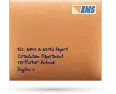
Package Example
Your order is carefully packed and ships within 24 hours. Here is what a typical package looks like.
Sized like a regular personal letter (approximately 24x11x0.7 cm), with no indication of what is inside.
Front View
Side View
Back View
Shipping Times
Shipping Method
Estimated delivery
Express Free for orders over C$420.08
Estimated delivery to Canada: 4-7 days
Standard Free for orders over C$280.05
Estimated delivery to Canada: 14-21 days
Payment Methods
Discount Coupons
Victoria Day - May 18, 2026 8%VICTORIA8
Canada Day - July 1, 2026 10%CANADADAY10
Labour Day - September 7, 2026 6%LABOUR6
Thanksgiving (Canada) - October 12, 2026 9%THANKS9
Boxing Day - December 26, 2026 12%BOXING12
Brand Names
Also known as (by country):
Country
Brand Names
Canada
Retin-AStieva-A
FAQ
A prescription is required to obtain tretinoin cream from local pharmacies in Canada. However, our store policy allows you to order tretinoin cream without a prescription and have it sent by mail.
Apply the next scheduled application when it is due. Do not use extra cream or apply it more often to make up for a missed application, as this can increase redness, peeling, burning, and dryness.
Yes. A generic tretinoin cream contains tretinoin as its active ingredient, in the stated strength. The cream base, inactive ingredients, tube design, and manufacturer can differ from those of a brand-name product.
Tretinoin cream is a topical retinoid used primarily to treat acne vulgaris. It is also used for signs of photoaging, including fine wrinkles and uneven or mottled skin discolouration. It is not the oral tretinoin used for acute promyelocytic leukemia.
Description
Note:
Images in the description are provided for informational purposes and may differ from the actual appearance of the product. Please refer to the product name, strength, ingredients, and dosage form.
Two strengths, one straightforward choice: our Tretinoin Cream comes as 0.025% or 0.05%, each supplied in 20 g tubes that we pack in bundles of four or six. That distinction matters more than it first appears - the lower concentration is often selected for sensitive skin or a first retinoid routine, while 0.05% provides a higher concentration for skin that already tolerates tretinoin. Working out which strength and bundle size fit your treatment plan before you order, rather than after significant irritation develops, is the most useful step in choosing the right option.
Tretinoin Cream: Identity, Role, and What Sets It Apart
Tretinoin is the active ingredient in this cream. It is classified as a topical retinoid (ATC code D10AD01) and is applied directly to the skin rather than taken by mouth. It is an established treatment for acne vulgaris and is also widely used to address fine wrinkling and mottled skin discolouration associated with photodamage. These are gradual treatment goals: tretinoin does not erase deep wrinkles, repair significant sagging, or replace daily sun protection.
Unlike an oral retinoid, tretinoin cream acts mainly in the treated skin, with limited systemic absorption. That local action shapes both its benefits and its predominantly skin-related adverse effects. Within the retinoid family, it differs from adapalene, sold in our catalogue as Differin, which is often better tolerated and may be easier to combine with some acne treatments. We offer this cream in 0.025% and 0.05%, giving customers a practical way to match the concentration to previous retinoid experience and skin tolerance.
Who May Want to Consider Tretinoin Cream?
Tretinoin cream is generally considered by people dealing with persistent comedonal or inflammatory acne, or by those looking to address fine lines and uneven, mottled pigmentation caused by long-term sun exposure. It may be used as one part of a broader acne or skin-care plan rather than as a complete routine on its own. It is not the right starting point for everyone, and several practical factors are worth weighing before choosing a strength.
Acne that has not responded adequately to gentle cleansers or milder non-prescription treatments.
Visible fine wrinkling or blotchy, sun-related discolouration rather than deep folds or significant sagging.
Skin that can tolerate some dryness, tightness, and peeling during an adjustment period.
No pregnancy or attempt to conceive, because topical tretinoin is contraindicated in these circumstances.
Professional advice before use while breastfeeding; excretion into human milk is unknown, and the cream should not be applied to the chest.
Age 12 or older, since safety and effectiveness below that age have not been established.
People with eczema, sunburn, broken skin, or marked baseline sensitivity may need to wait until the affected area has recovered or use a less irritating approach. Previous tolerance of another retinoid can be informative, but it does not guarantee that the same schedule or concentration will suit tretinoin cream.
How Does Tretinoin Cream Work?
Tretinoin binds to retinoic acid receptors in skin cells and changes gene expression involved in cell growth and differentiation. It normalizes the turnover of keratinocytes lining the pores, reducing the plugs that lead to blackheads, whiteheads, and inflammatory acne lesions. By helping prevent new microcomedones, it works beyond drying an individual spot, which is why a thin layer is generally applied across the acne-prone area rather than dotted only on visible blemishes.
With sustained use, tretinoin also supports collagen remodelling in the dermis and more even distribution of epidermal pigment. This helps explain its role in improving fine lines, rough texture, and mottled discolouration associated with photodamage. These biological changes accumulate gradually. Using extra cream does not accelerate them and is more likely to increase redness, burning, and peeling.
Building a Routine: How to Use Tretinoin Cream
Tretinoin cream is generally applied once daily at bedtime unless a prescriber recommends a different schedule. Night-time use fits the usual treatment instructions and keeps the application separate from daytime sunscreen, cosmetics, and environmental sun exposure. A simple, consistent routine tends to produce the best results with the least irritation.
Wash the treatment area with a gentle cleanser, rinse well, and pat the skin completely dry.
Wait roughly 20 to 30 minutes after washing before applying the cream if applying it immediately tends to cause irritation.
Use about a pea-sized amount for the entire face, spreading a very thin layer over the affected or acne-prone area.
Avoid the eyelids, lips, corners of the mouth, creases beside the nose, and any cut, sunburned, or eczematous skin.
Start every second or third night if daily use is too irritating, increasing the frequency only as tolerance develops.
Follow with a plain moisturizer if needed, and use broad-spectrum sunscreen and protective clothing the following day.
Wash your hands after application unless the hands are the treatment area. Do not cover treated skin with an airtight dressing unless specifically instructed. If an application is missed, resume the normal schedule at the next planned time rather than using twice as much. Mild dryness, redness, or peeling is common during the first two to six weeks, but severe or persistent irritation is a reason to pause and seek advice rather than continuing to increase the frequency.
Available Strengths and Package Sizes
We currently offer Tretinoin Cream in two strengths, each supplied in 20 g tubes. Both concentrations are available in a choice of bundle size, allowing customers to select a shorter or longer supply without recalculating tube counts.
Strength
Tube size
Package options
0.025%
20 g
4 tubes or 6 tubes
0.05%
20 g
4 tubes or 6 tubes
The 0.025% option is commonly the more cautious starting concentration for people new to tretinoin or prone to irritation. The 0.05% option may suit someone who has already tolerated a lower concentration and needs a higher-strength routine. A higher concentration is not automatically the better value if irritation leads to frequent treatment breaks.
Choosing between four and six tubes depends on the treatment area, application frequency, and intended duration. A pea-sized facial application uses far less cream than treating a larger area, so it is not reliable to promise a fixed number of months per tube. Current pricing and stock for each exact option are shown alongside this description.
What Results Can You Expect, and When?
Irritation may appear before any benefit is visible, particularly during the first two to four weeks. Acne can also seem temporarily more active as existing microcomedones progress to the surface. This does not happen to everyone, but it is one reason to judge the treatment over an appropriate interval rather than after only a few applications.
Improvement in active acne lesions is commonly assessed after about eight to twelve weeks of consistent use. Blackheads, whiteheads, and inflammatory lesions may improve at different rates, and maintenance use may be needed to help prevent new pore blockages. If acne is worsening substantially, causing scarring, or showing no meaningful response after an adequate trial, a healthcare professional can reassess the diagnosis and the rest of the regimen.
Softening of fine wrinkling and improvement in mottled discolouration generally take longer, often three to six months of steady application. Results depend heavily on sun protection because repeated ultraviolet exposure continues to drive pigment change and collagen damage. Stopping and restarting repeatedly slows progress, so a tolerable routine used consistently is usually more useful than a stronger routine that cannot be maintained.
Important Safety Priorities
Tretinoin cream's most common effects are local skin reactions rather than whole-body adverse effects. Dryness, redness, peeling, and a stinging or warm sensation can occur as the skin adjusts. It is important to distinguish manageable irritation from a reaction that needs medical attention.
Reduce the frequency or pause treatment if the skin becomes very sore, cracked, swollen, blistered, or crusted. Urgent medical assessment is appropriate for signs of a serious allergic reaction, such as facial swelling, widespread hives, or difficulty breathing. Ordinary peeling and stinging are usually irritant effects rather than an allergy, but any severe or rapidly worsening reaction should not be dismissed as routine adjustment.
Tretinoin is contraindicated during pregnancy and should not be started by anyone trying to conceive because of retinoid-related concern for fetal harm. Whether topical tretinoin passes into human milk is not established, so caution is advised while breastfeeding, and it should not be applied to the chest where an infant could contact or ingest it. Use in children under 12 has not been established, although it is commonly used for acne in adolescents aged 12 and older. Because it does not act on the central nervous system, topical tretinoin is not expected to affect alertness or the ability to drive.
Interactions and Practical Precautions
Tretinoin has few clinically important systemic drug interactions when used topically, but other products applied to the same skin can compound irritation or affect stability. The full routine matters as much as any single ingredient.
Avoid applying conventional tretinoin and benzoyl peroxide at the same time of day unless a healthcare professional has directed a compatible regimen; using one in the morning and the other at night is a common approach.
Do not use more than one topical retinoid on the same area unless specifically instructed.
Limit glycolic acid, salicylic acid, abrasive scrubs, alcohol-heavy toners, and other exfoliating treatments while the skin is adjusting.
Avoid sulfur, resorcinol, or strongly drying acne products on the same areas unless the routine has been reviewed for tolerability.
Minimize avoidable sun exposure, skip tanning beds, and use daily sun protection because irritated treated skin can burn more readily.
Postpone waxing on treated areas, as it can lift or tear sensitized surface skin.
Tell a healthcare professional about other medicines or products that increase photosensitivity or cause significant skin irritation.
Cold, wind, and very dry weather can also intensify irritation. A bland moisturizer and gentle cleanser are usually preferable to adding more active ingredients. If another prescribed topical medicine is needed, separating application times may improve tolerability, but the appropriate schedule depends on the products involved.
Tretinoin Cream vs. Renova: Which Formulation Fits Your Skin?
Renova is a branded tretinoin cream made with an emollient vehicle and developed for the mitigation of fine facial wrinkling as part of a broader skin-care and sun-avoidance program. We do not currently offer Renova, but comparing it with standard tretinoin cream helps clarify why the cream base, intended use, concentration, and individual tolerance all matter.
Tretinoin Cream vs Renova
Feature
Tretinoin cream
Renova
Active ingredient
Tretinoin
Tretinoin
Dosage form
Topical cream
Emollient topical cream
Available strengths
0.025%, 0.05%
0.02%, 0.05%
Formulation base
Standard vanishing cream base
Moisturizing emollient cream base
Primary indication focus
Acne vulgaris, fine wrinkles, and mottled skin discoloration
Fine facial wrinkles, tactile roughness, and mottled hyperpigmentation
A comparison of standard tretinoin cream with an emollient-formulated branded alternative.
Our Tretinoin Cream is available in 0.025% and 0.05% and uses a standard cream base rather than Renova's emollient-formulated vehicle. An emollient vehicle may feel more moisturizing for some people, but it does not eliminate the possibility of redness, peeling, or photosensitivity. Standard and emollient tretinoin creams should not be assumed to feel identical or to be interchangeable solely because both contain tretinoin; the exact concentration and formulation remain relevant.
For acne-prone skin, another practical alternative is adapalene, sold in our catalogue as Differin. Adapalene is generally more stable with benzoyl peroxide and often causes less irritation, which can make it a useful starting option for some routines. Tretinoin has the longer-established role in photo-aged skin and may be preferred when fine lines and mottled pigmentation are important goals. The better option depends on the indication, prior tolerance, other topical treatments, and the likelihood of following the routine consistently.
Tretinoin Cream Access and Prescription Requirements in Canada
Health Canada classifies tretinoin cream as a prescription drug. A specific product, strength, and tube size must have a valid Drug Identification Number (DIN) and corresponding Drug Product Database listing before it may be marketed in Canada. The Canadian product monograph and DIN listing are the appropriate sources for confirming the authorization and official instructions for an exact product.
That regulatory classification describes the medicine's legal status in Canada; it is separate from how we handle orders. Under our ordering policy, we do not require a prescription upload to accept an order for this product, so customers can order Tretinoin Cream without submitting a prescription through our checkout. This ordering process does not change the medicine's Canadian prescription classification or replace an assessment by an authorized healthcare professional.
Anyone starting a retinoid for the first time, treating severe or scarring acne, planning pregnancy, or managing another active skin condition should confirm suitability with a healthcare professional. Suspected adverse reactions to a health product can be reported to Health Canada through Canada Vigilance, independently of our customer support.
Ordering, Delivery, and Receiving Your Tretinoin Cream
We have been filling orders since 2010. Our support team is available 24/7 by email, online chat, or phone, and a pharmacist is available to answer product and medication questions before or after an order is placed.
Prices and stock for both strengths and both package quantities are shown in Canadian dollars alongside this listing.
Select the concentration and either four or six 20 g tubes before proceeding through checkout.
Orders are packed and dispatched from our facility, with delivery estimates provided at checkout rather than as fixed guarantees.
Support channels remain open around the clock for questions about an order or a delivery in progress.
When the parcel arrives, confirm that the strength and tube count match the option ordered. Check that each tube is closed and that its label is legible before use. Contact our support team if the parcel is damaged, the contents do not match the order, or a tube appears opened. Do not use a product with compromised packaging while the issue is being reviewed.
If your skin's needs change, browse our Skin Care selection for other topical options we carry.
Making Your Decision
Choosing between 0.025% and 0.05%, and between a four-tube or six-tube bundle, comes down to the treatment goal, previous retinoid experience, expected application area, and how long a supply you want on hand. Starting with the lower concentration and building tolerance is generally the more cautious path for a first-time user. Someone who already tolerates tretinoin may be able to use 0.05%, but stronger treatment is not automatically more effective in practice if it causes repeated interruptions.
The most sustainable choice is the concentration that can be applied as directed alongside gentle cleansing, moisturizer when needed, and consistent daytime sun protection. Whichever strength and bundle you select, measured application and a steady routine matter more than using extra cream or trying to force rapid results.
MD, infectious diseases specialist and medical writer
Updated August 31, 2026
Customer questions
Q
Asked by Megan Campbell, Toronto, Canada
I live in Toronto. Can I enter my postal code before placing the order to check whether tretinoin cream can be shipped to my address?
A
Answered by Support team
Yes. Enter your Toronto postal code at checkout to check whether shipping is available for your address before completing the order.
Q
Asked by Alyssa Martin, London (ON), Canada
My tretinoin cream arrived in London, Ontario, after several very cold days. What should I check before I use it?
A
Answered by Support team
Check that the tube is intact, tightly closed, within its expiry date, and that the cream has not separated, leaked, or changed noticeably in colour or texture. Store it at 20°C to 25°C; brief excursions between 15°C and 30°C are permitted. If its condition is uncertain after the cold exposure, do not use it until the product has been checked.
Q
Asked by Noah Sinclair, Whitehorse, Canada
I am in Whitehorse and would like to order tretinoin cream. How can I find out whether you can ship to my address?
A
Answered by Support team
Enter your Whitehorse address and postal code at checkout to confirm whether shipping is available for that destination. Availability can vary by address, so it should be checked before you place the order.
Q
Asked by Priya Shah, Saskatoon, Canada
When my tube arrives, what details should I look for on the label before I start using it?
A
Answered by Support team
Compare the label with your order and check the active ingredient, tretinoin, the strength, 0.025% or 0.05%, and that it is a cream for topical use. Also check the manufacturer, lot number, expiry date, and that the tube is undamaged.
Q
Asked by Grace M, Quebec City, Canada
My 13-year-old daughter has acne and is interested in using tretinoin cream. Is it generally used by teenagers?
Tretinoin cream is commonly used for acne in adolescents aged 12 and older. It can cause dryness, redness, stinging, and peeling, especially when treatment begins, so the appropriate strength and application schedule should be confirmed for her individual skin and acne treatment plan.
Product specifications
Active ingredient
Tretinoin
Drug class
Topical retinoid
Dosage form
Cream
Available strengths
0.025%, 0.05%
Route of administration
Topical
Storage
Store at 20°C to 25°C, with brief excursions permitted between 15°C and 30°C. Keep the tube tightly closed and protect from light and heat.
ATC code
D10AD01
Regulatory information
Authorization StatusTretinoin is authorized for human therapeutic use in Canada.
Prescription ClassificationTretinoin cream is a prescription drug and requires a valid order from a licensed healthcare provider.