Lariam, known generically as mefloquine, is an antimalarial medication used to prevent and treat malaria, especially malaria caused by Plasmodium falciparum and Plasmodium vivax. It interferes with the growth of malaria parasites in the red blood cells of infected people. Lariam is particularly important in areas where malaria is resistant to other treatments, making it an important option for travellers and people living in endemic regions.
What Is Lariam
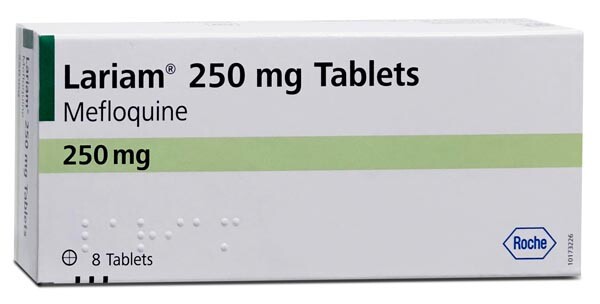
Lariam (mefloquine hydrochloride) is a medicine used to treat malaria. It comes as a tablet. Each tablet contains 250 mg of the active ingredient and is taken by mouth. This medicine slows the growth of the microorganisms causing the infection in the bloodstream.
In warm regions, malaria remains a major public health threat. This disease is caused by a parasite transmitted to humans through the bite of an infected mosquito. Malaria can be life-threatening, and symptoms usually appear 10 to 15 days after the bite, although the incubation period can vary.
The parasite mainly affects red blood cells, and the symptoms often resemble the flu. In severe cases, people may develop seizures or coma, which can lead to death. Jaundice, or yellowing of the skin, is also commonly linked to this infection. While malaria is now rare in most developed countries, it remains common in Africa, where it causes many deaths. The disease is also found in some parts of South America and Asia.
The parasites that cause malaria belong to the Plasmodium genus, and five species can infect humans. Transmission happens through the saliva of female mosquitoes, which are the only mosquitoes that bite for blood. Once inside the body, the parasites multiply in the liver. P. falciparum is the deadliest of the five species, while P. vivax, P. ovale, and P. malariae are less aggressive. A fifth species, P. knowlesi, rarely infects humans. Health authorities have introduced several prevention strategies in endemic regions and stressed the need for effective treatment options. This article discusses one of the most effective medicines used to treat malaria.
Ingredients
Lariam's main active ingredient is mefloquine hydrochloride. This drug dissolves slightly in water. It is a white crystal with a molecular weight of 414.78 g/mol. It is chemically similar to quinine.
Each tablet also contains several inactive ingredients in addition to the 250 mg of active substance. For the full list of ingredients, please read the product package.
Mefloquine is classified as a 4-quinolinemethanol derivative and acts as a blood schizonticide, targeting the erythrocytic stages of the malaria parasite. It is taken by mouth, usually as a 250 mg tablet. It has a long elimination half-life of about 2 to 4 weeks, which allows for convenient weekly dosing when used for prevention.
Despite its effectiveness, mefloquine is linked to a range of side effects, including neuropsychiatric reactions that may continue even after the medicine is stopped. Because of these possible effects, it should not be used in people with a history of psychiatric disorders or seizures. Mefloquine's unique pharmacokinetic profile and mechanism of action make it an important option in malaria-endemic regions, especially where resistance to other antimalarial medicines has developed.
Uses
Lariam is mainly used to prevent and treat malaria. It is effective against both Plasmodium falciparum and Plasmodium vivax, including strains resistant to chloroquine. Lariam may be taken once a week for prevention, starting one week before entering a malaria-endemic area. It is also used in acute malaria, usually as a single oral dose for treatment.
Treatment of Acute Malaria Infections
The most common malaria treatment uses a combination of two drugs. The first is usually artemisinin. The second may be lumefantrine or mefloquine (Lariam). Quinine and doxycycline may be used instead of artemisinin. Other compounds may also be used as the second medicine.
When the first symptoms appear, you should see a doctor. A blood test must confirm the infection. Treatment should start only after the diagnosis is confirmed. This helps reduce the risk of drug resistance. For example, artemisinin is ineffective in some parts of Asia because of resistance.
Lariam is effective for acute malaria infections caused by P. falciparum and P. vivax. It works best in mild to moderate infections. It works against mefloquine-susceptible and -resistant parasite strains. Researchers have not documented its effect on P. ovale and P. malariae.
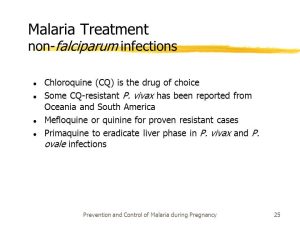
Doctors should be especially careful with patients infected with P. vivax. While Lariam stops the parasites from growing, it does not clear them from the liver. After treatment with Lariam, a second treatment with primaquine may be useful. Another similar compound may also be used. This helps remove parasites from the liver and reduce the risk of relapse.
Prevention of Malaria
As with many illnesses, prevention is better than treatment. Some of the most effective ways to prevent malaria include:
- in areas where malaria is common, people should avoid mosquito bites; for example, by using mosquito nets while sleeping;
- using mosquito repellent during daily activities;
- using insecticides to eliminate mosquitoes from homes and other buildings;
- removing standing water to prevent mosquitoes from breeding;
- introducing fish species that eat mosquito larvae into ponds and lakes;
- vaccination and immunization campaigns.
The last point is particularly helpful for people travelling to areas where malaria is common. Some medicines are available for this purpose. Lariam offers some protection against infection with P. falciparum and P. vivax. It is effective against P. falciparum strains that are resistant to chloroquine.
In some regions, children receive a combination of sulfadoxine and pyrimethamine for prevention. Pregnant women beyond 3 months should receive the same combination. Only one malaria vaccine is available, and it lowers the risk of infection by 40%. However, pharmaceutical companies are continuing to look for more effective treatments.
Dosage
You should never deviate from your doctor's instructions for taking Lariam. Increasing or reducing the prescribed mefloquine dose can be counterproductive. Here are some general recommendations for using this medicine for prevention:
- Unless your doctor tells you otherwise, take one dose a week. Pick the same day each week for your dose, such as every Monday.
- You should start taking this medicine at least 1 week in advance for better protection. This means taking it before you enter an area where malaria is common.
- Keep using the medicine as described above while you are in the risk area. Do not stop the weekly doses when you leave. You should continue taking them for at least one month.
- If you stop taking Lariam, use a different prevention method.
Along with this medicine, you should also use the other prevention methods mentioned earlier in this article.
Adult Patients
The recommended dose is five Lariam tablets to treat the infection in adults. You must take them all as a 1250 mg dose. For best tolerance, take the dose after your main meal. Swallow the dose with water. If this treatment does not produce a positive result within 2 or 3 days, the doctor should use a different drug. A different medicine should also be used to treat the infection if malaria develops while you are taking Lariam for prevention.
For prevention, follow the recommendations listed above. Start taking Lariam 2-3 weeks in advance if you are also using other medicines. This helps the doctor check whether the medicines interact with each other.
Pediatric Patients
Doctors should not prescribe Lariam to babies younger than 6 months old. Only a doctor may prescribe it to treat malaria in such cases. Children weighing under 20 kg should not use this medicine for prevention.
The usual infant dose is 20-25 mg per kg of body weight. This is a single dose. To reduce the risk of serious side effects, the doctor may divide the dose. The child may take two doses 6-8 hours apart. As described earlier, the tablet may be crushed if needed. It can then be mixed with water, milk, or another drink to make it easier to take.
For malaria prevention, children should take a weekly dose. This is 5 mg per kg of body weight. As a general guide, you can use the doses shown in the following table:
|
Infant Weight
|
Recommended Weekly Dose
|
|
> 45 kg
|
1 full tablet
|
|
30-45 kg
|
3⁄4 tablet
|
|
20-30 kg
|
1⁄2 tablet
|
|
< 20 kg
|
Do not use
|
If treatment does not work within 2-3 days, a different drug should be used. Likewise, if Lariam does not prevent malaria, choose a different medicine for treatment. Children are more likely to vomit after taking this product. If that happens, follow the recommendations given earlier in this article.
You should take these tablets after your main meal. Swallow each tablet with plenty of water (about 250 ml). If swallowing is difficult, you can crush the tablet. Mix the powder with a drink you like to make it easier to take.
Taking Lariam may cause vomiting. This may happen within half an hour after taking the medicine. In that case, you will need to take another dose. You should retake only half a dose if vomiting happens between half an hour and one hour. If Lariam continues to cause vomiting, seek medical attention.
Geriatric Patients
There is no clear consensus on the use of Lariam in older adults (+65 years old). Some researchers found no difference compared with younger patients. However, some studies have reported cardiac abnormalities with this drug. Because of this, the doctor must carefully assess whether Lariam is suitable for an older patient.
What Is the Onset of Action for Lariam?
Lariam (mefloquine) typically begins to work within one week when used for malaria prevention, since it is recommended to start taking it at least one week before entering a malaria-endemic area. For the treatment of malaria, Lariam may be effective within 24 hours after administration. However, symptoms may take longer to improve depending on how severe the infection is and how the person responds to the medicine. It is important to seek prompt medical attention if symptoms persist or worsen.
Important Safety Information
Long-term use of Lariam requires regular blood tests. Because of mefloquine toxicity, these tests are needed to help make sure your liver is doing well. Long-term use of Lariam may also affect your vision. Consider seeing an ophthalmologist regularly.
People with a history of depression, anxiety disorders, seizures, or other mental health conditions should avoid using Lariam for malaria prevention. Additionally, it is crucial to inform Canadian healthcare providers about any existing medical conditions, such as epilepsy or liver problems, before starting treatment.
Pregnancy and Breastfeeding
Animal studies suggest that Lariam may affect embryo development. However, similar studies have not been carried out in pregnant women. There is no evidence that Lariam harms the human fetus. In any case, there must be a strong reason to use Lariam during pregnancy. Women travelling to a risk area should avoid becoming pregnant. Ask a pharmacist about effective birth control methods.
Mefloquine is present in small amounts in breast milk. The drug can cause severe reactions in the baby. Because of this, the doctor must decide whether Lariam should be stopped. The doctor must weigh the benefit to the mother against the risk to the baby.
Pediatric Use
Multiple clinical trials support the use of Lariam in children younger than 16 years old. In these cases, it is safe and effective at the recommended doses. Researchers have not documented its use in babies under 6 months of age. It is better to avoid using Lariam in infants this young.
Contraindications
You should avoid using Lariam if you have a history of mental illness. This includes anxiety, depression, and schizophrenia. You should also avoid this medicine if you have had seizures. In some life-threatening malaria cases, the doctor may still prescribe Lariam. In that situation, the benefit of saving your life may outweigh the risk of Lariam-related psychosis.
Tell the doctor about any other medical conditions you have or have had. For example, let them know if you have heart or liver problems. The doctor should also know if you have other conditions such as epilepsy or diabetes. Tell them if you are allergic to any specific medicines. Allergy to mefloquine, quinine, or quinidine is especially important in this case.
Drug-Drug Interactions
Drug-drug interactions have not been studied in detail. Because of this, tell the doctor about all other medicines you are taking for your safety. This includes medicines that do not require a prescription. You should also tell them about any vitamins, supplements, and herbal products you use.
The doctor will pay special attention to the following:
- medicines for heart conditions and high or low blood pressure;
- medicines for depression and other mental health conditions;
- medicines used to control seizures;
- medicines for tuberculosis;
- live vaccines.
You should also tell them about any recreational drugs you use.
Side Effects
At the recommended doses, Lariam is safe in most cases. However, in some emergencies you may need to go to the hospital right away. For example, this may happen if you have an allergic reaction to the medicine. Symptoms can include swelling of the face or other parts of the body. Trouble breathing and hives can also be signs of an allergic reaction.
Clinical
Most side effects are mild and may include dizziness, vomiting, diarrhea, and flu-like symptoms. These symptoms usually do not need special medical attention. It can be hard to tell these effects apart from the symptoms of malaria.
Psychiatric or Nervous System Problems
Lariam may affect the nervous system. The patient may develop mental health problems and other unwanted effects. These are long-term side effects of mefloquine. These psychiatric effects may last a long time. Even if the patient stops taking the medicine, the problems may continue. In some extreme cases, they may last for years or become permanent.
Tell the doctor about your full medical history. With this information, the doctor can assess whether Lariam is appropriate for you. The doctor will try to keep the risk of these long-term side effects as low as possible. Stop taking Lariam right away if you experience any of the following:
- headache;
- tinnitus;
- dizziness or trouble keeping your balance;
- loss of coordination;
- changes in mental state, such as depression or suicidal thoughts.
Seek medical attention if you experience any of the effects listed above.
Postmarketing
Most side effects in this category include vertigo, dizziness, and loss of balance. Other reported problems include:
- sleep disorders (nightmares, insomnia);
- cardiovascular disorders (high or low blood pressure, arrhythmias);
- skin disorders (rash, pruritus);
- muscular disorders (weakness, cramps);
- respiratory disorders.
Other effects have also been reported. Not all of them are listed above. People have reported visual problems, fatigue, malaise, and other symptoms. This is in addition to the psychiatric and nervous system problems mentioned earlier in this article.
Overdose
You may develop symptoms of poisoning. If this happens, seek emergency medical attention. In Canada, for example, you can call 911.
Most commonly, you may have trouble breathing after an overdose. You may also pass out. Do not wait-seek emergency medical attention right away.
Missed Dose
Missing a dose is usually not a major problem when Lariam is used for treatment. You generally take a single dose. So take it when you realize you missed it.
If you miss a dose of Lariam during prevention, take it as soon as you can. Then take the next dose as scheduled. But if you miss the dose within a week before entering a risk area, contact the doctor. You will need a different prevention method.
Comparison of Lariam with Other Antimalarials
Here is a comparison of Lariam with other common antimalarial medicines:
| Medication |
Administration |
Efficacy |
Side Effects |
Cost |
| Lariam (Mefloquine) |
Weekly, starting 1-3 weeks before travel |
Effective against P. falciparum and P. vivax; caution in Southeast Asia due to resistance |
Potential neuropsychiatric effects, dizziness, nausea |
Generally cost-effective because fewer tablets are needed |
| Malarone (Atovaquone/Proguanil) |
Daily, starting 1 day before travel |
Highly effective worldwide; rapid onset of action |
Milder side effects compared to Lariam |
More expensive, can exceed $200 for a full course |
| Doxycycline |
Daily, starting 1-2 days before travel |
Effective worldwide; especially useful for short trips |
Gastrointestinal upset, photosensitivity |
Generally affordable |
| Chloroquine |
Weekly, starting 1 week before travel |
Limited effectiveness due to resistance in many areas |
Generally well tolerated but less effective in high-risk regions |
Low cost but not recommended for most areas |
Lariam is often chosen because its weekly dosing schedule may be more convenient for some travellers. However, it is associated with more severe side effects than alternatives such as Malarone and doxycycline. Malarone offers rapid protection and milder side effects but at a higher cost. Doxycycline is effective and affordable but must be taken daily, which some people may find difficult. Chloroquine is no longer recommended in many malaria-endemic areas because of resistance.
Lariam and Hydroxychloroquine: Key Differences and Uses
Lariam (mefloquine) and hydroxychloroquine are both medicines used to treat and prevent malaria, but they differ in their mechanisms, uses, and side effects.
Lariam (Mefloquine)
Uses:
- Lariam is indicated for the treatment of mild to moderate acute malaria caused by mefloquine-susceptible strains of P. falciparum and P. vivax. It is particularly useful against chloroquine-resistant strains.
- It is also used for prophylaxis against malaria in travellers to areas where chloroquine-resistant strains are common.
Mechanism of Action:
Mefloquine works by interfering with the parasite's ability to digest hemoglobin, leading to its death. It is effective against both chloroquine-sensitive and chloroquine-resistant strains of malaria.
Side Effects:
Common side effects include dizziness, nausea, vomiting, and sleep disturbances. Serious side effects can include neuropsychiatric symptoms such as anxiety or depression, which may occur because of its effects on the central nervous system.
Hydroxychloroquine
Uses:
- Hydroxychloroquine is primarily used for the treatment of uncomplicated malaria caused by certain strains of Plasmodium (e.g., P. falciparum, P. malariae, P. ovale, and P. vivax) in areas where chloroquine resistance has not been reported.
- It is also widely prescribed for autoimmune conditions such as rheumatoid arthritis and systemic lupus erythematosus, where it acts as a disease-modifying antirheumatic drug (DMARD).
- Additionally, hydroxychloroquine may be used for conditions such as discoid lupus erythematosus and porphyria cutanea tarda.
Mechanism of Action:
Hydroxychloroquine works by modulating the immune response and increasing lysosomal pH, which helps inhibit the growth of malaria parasites. It also has anti-inflammatory properties that are helpful in autoimmune disorders.
Side Effects:
Common side effects include nausea, vomiting, headache, and blurred vision. Serious side effects can include retinopathy, skin reactions (e.g., Stevens-Johnson syndrome), blood disorders, and liver damage.
Comparison Table
| Feature |
Lariam (Mefloquine) |
Hydroxychloroquine |
| Primary Use |
Treatment and prevention of malaria |
Treatment of malaria; autoimmune diseases |
| Mechanism of Action |
Interferes with hemoglobin digestion |
Modulates the immune response; increases lysosomal pH |
| Effective Against |
Mild to moderate cases; resistant strains |
Certain strains of Plasmodium |
| Common Side Effects |
Dizziness, nausea, sleep disturbances |
Nausea, headache, blurred vision |
| Serious Side Effects |
Neuropsychiatric symptoms |
Retinopathy, skin reactions |
Storage
Store your Lariam tablets in a dry place at 15°C to 30°C, ideally at 25°C. Keep them out of reach of children.
Brand names for mefloquine in different countries