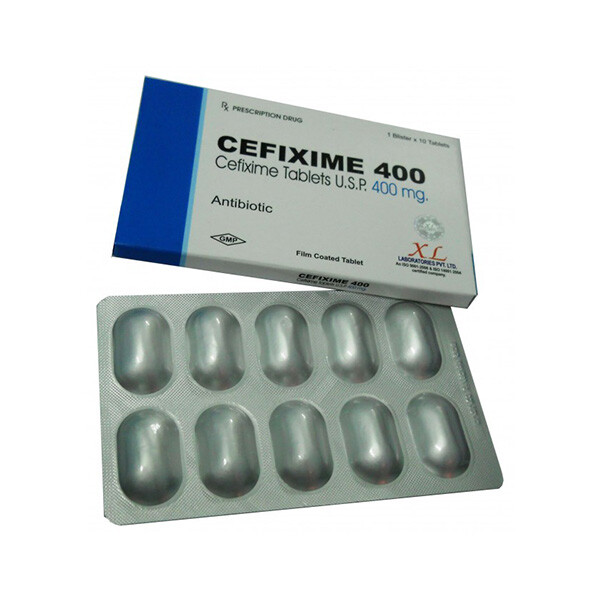
Cefixime
Cefixime is a semi-synthetic, third-generation cephalosporin antibiotic used in Canadian clinical practice as an oral option for certain susceptible bacterial infections.
Uses
Cefixime is taken by mouth in adults and children to treat uncomplicated urinary tract infections (UTIs) caused by susceptible bacteria, acute otitis media caused by susceptible bacteria, pharyngitis and tonsillitis caused by Streptococcus pyogenes (group A beta-hemolytic streptococci), and respiratory tract infections such as acute bronchitis, acute flare-ups of chronic bronchitis, and pneumonia caused by susceptible bacteria.
Cefixime has been used in Canada since 1988.
The drug is also used to treat uncomplicated gonorrhea and has been used to treat infections caused by susceptible Salmonella or Shigella. Because cefixime has a long serum half-life and can be given once or twice daily, some clinicians suggest it may be especially useful when adherence is a concern, such as in the treatment of otitis media.
Although cefixime is an effective alternative to other anti-infective agents for many infections, it offers no clear advantage, other than convenient dosing, over other equally effective and less expensive anti-infectives used to treat uncomplicated urinary tract infections or upper and lower respiratory tract infections. In addition, its use as empiric therapy for some infections, such as urinary tract infections, respiratory tract infections, and soft tissue infections, is limited by its spectrum of activity because it is inactive against staphylococci, enterococci, and Pseudomonas aeruginosa.
Because cefixime is inactive against most anaerobic bacteria, it is ineffective and should not be used on its own if a mixed aerobic-anaerobic bacterial infection is suspected. Before starting cefixime, appropriate specimens should be collected to identify the causative organism(s) and carry out in vitro susceptibility testing. Cefixime may be started while test results are pending, but it should be stopped and replaced with another appropriate anti-infective if the organism is found to be resistant.
Urinary Tract Infections
Uncomplicated Urinary Tract Infections
Cefixime has generally been effective in men, women, and children for the treatment of uncomplicated urinary tract infections (UTIs) caused by susceptible strains of Escherichia coli or Proteus mirabilis.
The drug has also been effective in a limited number of adults and children with uncomplicated UTIs caused by other gram-negative bacteria, including Citrobacter spp., C. diversus, C. freundii, Enterobacter spp., E. aerogenes, E. agglomerans, Klebsiella spp., K. pneumoniae, Morganella morganii, Proteus spp., and Serratia. In controlled studies in men and women with uncomplicated UTIs caused by susceptible gram-negative bacteria, oral cefixime (400 mg once daily or 200 mg twice daily) was as effective as oral co-trimoxazole (160 mg of trimethoprim and 800 mg of sulfamethoxazole every 12 hours) or oral amoxicillin (250 mg three times daily).
The once-daily and twice-daily cefixime regimens were equally effective and produced a bacteriologic cure in about 90-100% of adults with uncomplicated UTIs. In a study of children 1-24 months of age with urinary tract infections, a 14-day course of oral cefixime (16 mg/kg on day 1 followed by 8 mg/kg once daily) was as effective as a 14-day regimen that included a parenteral drug (IV cefotaxime 200 mg/kg/day given in 4 divided doses for 3 days or until the child had been fever-free for 24 hours) followed by oral cefixime (8 mg/kg once daily).
Cefixime has been effective in a small number of adults with uncomplicated UTIs caused by gram-positive bacteria, including Staphylococcus epidermidis, Staphylococcus spp., Streptococcus agalactiae, nonhemolytic streptococci, and Enterococcus faecalis (formerly Streptococcus faecalis). However, treatment failures have occurred when cefixime was used for UTIs caused by gram-positive bacteria, and some of these organisms, such as staphylococci, S. agalactiae, and enterococci, have been isolated in urine during or after treatment.
Some clinicians suggest that cefixime offers no advantage over other equally effective, less expensive anti-infective agents, such as sulfisoxazole, amoxicillin, or co-trimoxazole, for the treatment of uncomplicated UTIs.
For empiric treatment of acute, uncomplicated UTIs, co-trimoxazole, a fluoroquinolone, fosfomycin, nitrofurantoin, or an oral cephalosporin is usually recommended. Because cefixime is inactive in vitro against enterococci and staphylococci, it probably should not be used as empiric therapy for nosocomial UTIs. It has been suggested that cefixime be reserved for UTIs caused by multidrug-resistant gram-negative bacteria such as E. coli and used as an alternative to co-trimoxazole, amoxicillin and clavulanate potassium, norfloxacin, and ciprofloxacin for these infections.
Some clinicians suggest that certain oral third-generation cephalosporins, including cefdinir, cefixime, cefpodoxime proxetil, and ceftibuten, are among several alternatives that can be used for outpatient treatment of recurrent UTIs or UTIs acquired in hospitals or nursing homes, since these infections are likely to be caused by multidrug-resistant gram-negative bacilli. However, these cephalosporins are not appropriate for more severely ill patients who are hospitalized with UTIs. The most appropriate treatment should be chosen based on the severity of the infection and the results of culture and in vitro susceptibility testing.
Complicated Urinary Tract Infections
Cefixime has been used with some success in a limited number of adults to treat pyelonephritis and other complicated UTIs caused by susceptible Enterobacteriaceae, including E. coli. Response rates in patients with complicated UTIs receiving cefixime are not as good as those reported in patients with uncomplicated UTIs; bacteriologic cure rates in adults with complicated UTIs have been reported to be 67-100%. More study is needed to evaluate the efficacy of cefixime in the treatment of complicated UTIs.
Otitis Media
Acute Otitis Media
Cefixime is used in adults and children to treat acute otitis media caused by Haemophilus influenzae (including beta-lactamase-producing strains), Moraxella (formerly Branhamella) catarrhalis (including beta-lactamase-producing strains), Streptococcus pyogenes (group A beta-hemolytic streptococci), or S. pneumoniae. In clinical studies in children 6 months to 16 years of age with otitis media, a 10-day course of oral cefixime produced a favourable clinical response, such as clinical cure or improvement with no fever, irritability, ear pain, or redness of the eardrum, with or without middle-ear effusion, in 83-100% of patients, and a presumptive bacteriologic cure in 60-97%.
At 2-4 weeks after cefixime treatment, clinical cure was still seen in 71-77% of children with H. influenzae infections, 84-100% of those with M. catarrhalis infections, and 69-82% of those with S. pneumoniae infections; persistent effusions were present in 15% of patients and 17% were considered treatment failures. In studies in children with acute otitis media, oral cefixime (8 mg/kg once daily or 4 mg/kg twice daily) was as effective as oral amoxicillin (20 or 40 mg/kg/day given in 3 equally divided doses), oral amoxicillin and clavulanate potassium (40 mg of amoxicillin per kg daily in 3 equally divided doses), oral cefpodoxime proxetil (10 mg/kg once daily), or oral cefaclor (40 mg/kg/day given in 3 equally divided doses) for infections caused by susceptible beta-lactamase-producing M. catarrhalis or H. influenzae. Both the once-daily and twice-daily cefixime regimens appear to be equally effective for acute otitis media caused by susceptible organisms.
There is some evidence that cefixime is less effective than some other anti-infective agents for otitis media caused by S. pneumoniae. In some studies where results were analyzed by causative organism, the bacteriologic response reported for cefixime in infections caused by S. pneumoniae was lower than that reported for amoxicillin. Because at least one case of pneumococcal bacteremia developed in a child receiving cefixime for otitis media, some clinicians suggest that cefixime should not be used for otitis media that is known or suspected to be caused by S. pneumoniae. Although the clinical importance is unclear, staphylococci have been isolated from middle-ear fluid after treatment in a few patients receiving cefixime.
Pharyngitis and Tonsillitis
Oral cefixime is used to treat pharyngitis and tonsillitis caused by susceptible S. pyogenes (group A beta-hemolytic streptococci). Although cefixime usually clears S. pyogenes from the nasopharynx, there are not yet enough data to establish how effective it is in preventing subsequent rheumatic fever. Results of open-label, randomized studies in children with S. pyogenes pharyngitis and tonsillitis indicate that a 10-day course of oral cefixime is more effective than a 10-day course of oral penicillin V, and that a 5-day course of oral cefixime is at least as effective as the 10-day penicillin V regimen.
The bacteriologic eradication rate was 94% in those who received a 10-day course of oral cefixime, 82.6% in those who received a 5-day course of oral cefixime, and 77-88% in those who received a 10-day course of oral penicillin V. Once-daily dosing with cefixime is as effective as twice-daily dosing for pharyngitis and tonsillitis.
Choosing an anti-infective regimen for S. pyogenes pharyngitis and tonsillitis should be based on the drug's spectrum of activity as well as the regimen's bacteriologic and clinical effectiveness, possible side effects, ease of use and patient adherence, and cost. To date, no regimen has been found that effectively eradicates group A beta-hemolytic streptococci in 100% of patients.
Because penicillin has a narrow spectrum of activity, is inexpensive, and is generally effective, Canadian guidance generally considers natural penicillins, such as 10 days of oral penicillin V or a single intramuscular (IM) dose of penicillin G benzathine, to be the treatment of choice for streptococcal pharyngitis and tonsillitis and for preventing initial attacks (primary prevention) of rheumatic fever, although oral amoxicillin is often used instead of penicillin V in small children because it tastes better.
Other anti-infectives, such as oral cephalosporins and oral macrolides, are generally considered alternative options.
There is some evidence that bacteriologic and clinical cure rates reported with 10-day courses of certain oral cephalosporins, such as cefaclor, cefadroxil, cefdinir, cefixime, cefpodoxime proxetil, cefprozil, cefuroxime axetil, ceftibuten, and cephalexin, are slightly higher than those reported with the 10-day oral penicillin V regimen. There is also some evidence that shorter treatment with certain oral cephalosporins, such as a 5-day course of cefadroxil, cefdinir, cefixime, or cefpodoxime proxetil, or a 4- or 5-day course of cefuroxime axetil, achieves bacteriologic and clinical cure rates equal to or greater than those achieved with the traditional 10-day oral penicillin V regimen.
Based on these results, some clinicians suggest that oral cephalosporins should be included among the preferred options for treating S. pyogenes pharyngitis and tonsillitis. However, Canadian practice generally limits first-generation cephalosporins to patients with penicillin hypersensitivity, except those with immediate-type hypersensitivity to beta-lactam anti-infectives, and these agents are generally not considered superior to penicillins because they have a broader spectrum of activity and are usually more expensive. In addition, because data remain limited, short cephalosporin regimens of 5 days or less for the treatment of S. pyogenes pharyngitis are generally not recommended.
Respiratory Tract Infections
Acute and Chronic Bronchitis
Cefixime is used in adults and children to treat acute bronchitis and acute flare-ups of chronic bronchitis caused by S. pneumoniae or beta-lactamase-producing and non-beta-lactamase-producing strains of H. influenzae or M. catarrhalis.
The drug has also been effective in a limited number of adults and children for other respiratory tract infections, including sinusitis and pneumonia, caused by these organisms or by E. coli, H. parahaemolyticus, or H. parainfluenzae. There is some evidence that 5-day and 10-day courses of oral cefixime (400 mg once daily) are equally effective in patients with acute exacerbation of chronic bronchitis; in one study, the clinical and bacteriologic response rates reported with a 5-day course were 88-91 and 69-74%, respectively, and those reported with the 10-day course were 88-91 and 53-82%, respectively (intent-to-treat analysis).
In one study in adults, cefixime (400 mg once daily) was as effective as oral amoxicillin (500 mg three times daily) for lower respiratory tract infections caused by susceptible organisms. Other controlled studies in adults indicate that cefixime (200 mg twice daily or 400 mg once daily) was as effective as oral amoxicillin and clavulanate potassium (500 mg/125 mg three times daily), oral cefaclor (500 mg three times daily), or oral cephalexin (250 mg four times daily) for these infections. However, the bacteriologic cure rate reported with cefixime in lower respiratory tract infections has ranged from 54-100%, and some clinicians suggest that further study is needed to evaluate the drug's role in treating these infections.
Pneumonia
Oral cefixime has been effective in adults and children with mild to moderate pneumonia, including community-acquired pneumonia. When it was used to treat hospitalized patients with community-acquired pneumonia, treatment was started with a parenteral third-generation cephalosporin, such as ceftriaxone, cefotaxime, or ceftizoxime, and then changed to oral cefixime when appropriate, allowing treatment to be completed on an outpatient basis.
Gonorrhea and Associated Infections
Uncomplicated Gonorrhea
Cefixime is used to treat uncomplicated gonorrhea. A single oral dose of cefixime 400 mg or 800 mg has been used to treat acute uncomplicated endocervical gonorrhea in women and urethral gonorrhea in men caused by penicillinase-producing and nonpenicillinase-producing Neisseria gonorrhoeae.
Although experience is limited, cefixime probably would also be effective for uncomplicated infections caused by plasmid-mediated, tetracycline-resistant strains (TRNG) or strains with chromosomally mediated resistance (CMRNG). Single oral doses of cefixime (400 or 800 mg) appear to be as effective as a single 250-mg IM dose of ceftriaxone for uncomplicated gonorrhea.
Canadian guidance indicates that cefixime has an antimicrobial spectrum similar to ceftriaxone, but a 400-mg oral dose of cefixime does not provide bactericidal concentrations that are as high or as sustained as those achieved with an IM dose of ceftriaxone.
In a randomized, multicentre study in men and women with uncomplicated gonorrhea who received a single 400- or 800-mg oral dose of cefixime or a single 250-mg IM dose of ceftriaxone, the bacteriologic cure rate 3-10 days after treatment was 96%, 98%, or 98%, respectively.
Although a single 800-mg oral dose of cefixime has been effective when used alone in a limited number of men for anorectal or pharyngeal gonorrhea, the drug's effectiveness for gonococcal infections at these sites has not been clearly established. In Canada, treatment recommendations for uncomplicated cervical, urethral, or rectal gonorrhea in adults and adolescents generally favour ceftriaxone, with cefixime used in some circumstances, together with treatment that covers possible chlamydia coinfection, such as a single dose of oral azithromycin or a 7-day course of oral doxycycline.
In Canadian practice, alternative regimens for uncomplicated gonorrhea in adults and adolescents may be considered when first-line treatment is not suitable, and they are typically used together with an anti-infective regimen effective for presumptive treatment of chlamydia.
Canadian pediatric guidance indicates that data remain insufficient on the effectiveness of oral cephalosporins for treating uncomplicated gonorrhea or other gonococcal infections in children and that, until more information on oral therapy is available, a parenteral cephalosporin, such as ceftriaxone, or IM spectinomycin should be used to treat gonococcal infections in children who weigh less than 45 kg.
However, based on experience in adults, Canadian pediatric guidance indicates that cefixime can be considered for the treatment of uncomplicated gonorrhea in young children as long as follow-up can be assured. Canadian guidance also states that children with uncomplicated gonorrhea who weigh 45 kg or more generally can receive the regimens recommended for adults and adolescents.
Disseminated Gonococcal Infections
Cefixime is used as follow-up treatment for disseminated gonococcal infections. In Canada, treatment of disseminated gonococcal infections in adults and adolescents is generally started with a multiple-dose regimen of IM or IV ceftriaxone or, alternatively, a multiple-dose parenteral regimen using other appropriate agents when indicated.
The initial parenteral regimen should be continued for 24-48 hours after improvement begins; treatment can then be switched to oral cefixime, when appropriate, and continued to complete at least 1 week of treatment. In Canadian practice, hospitalization is recommended for initial treatment, especially when adherence may be a problem, when the diagnosis is uncertain, or when the patient has purulent synovial effusions or other complications.
Patients should be examined for clinical evidence of endocarditis and meningitis; IV ceftriaxone is the recommended regimen for these infections.
An anti-infective regimen effective for presumptive treatment of chlamydia should be given along with the regimen for disseminated gonococcal infections unless appropriate testing has excluded this infection.
Typhoid Fever and Other Salmonella Infections
Oral cefixime has been used in children to treat typhoid fever (enteric fever) or septicemia caused by multidrug-resistant strains of Salmonella typhi. Multidrug-resistant strains of S. typhi, meaning strains resistant to ampicillin, chloramphenicol, and/or co-trimoxazole, have been reported with increasing frequency, and fluoroquinolones such as ciprofloxacin and ofloxacin and third-generation cephalosporins such as ceftriaxone and cefotaxime are considered first-choice agents for the treatment of typhoid fever or other severe infections known or suspected to be caused by these strains. In a study in children 6 months to 13 years of age with typhoid fever caused by multidrug-resistant S. typhi who were randomized to receive a 14-day course of oral cefixime (10 mg/kg/day in 2 divided doses) or IV ceftriaxone (65 mg/kg once daily), the time to defervescence was 8.3 days in those who received cefixime and 8 days in those who received ceftriaxone; the relapse rate was 5% and 14%, respectively.
Shigellosis
Oral cefixime (8 mg/kg/day for 5 days) has been effective in children with shigellosis caused by susceptible Shigella and, in one study, was more effective than ampicillin and sulbactam sodium for these infections. However, in a study in adults with shigellosis who received oral cefixime (400 mg once daily for 5 days), the clinical response rate was only 53% and the bacteriologic eradication rate was 40%. Anti-infective therapy is generally indicated in addition to fluid and electrolyte replacement for severe shigellosis, since anti-infectives appear to shorten the duration of diarrhea and the period of fecal excretion of Shigella. Multidrug-resistant strains of Shigella have been reported with increasing frequency. For susceptible strains, ampicillin or co-trimoxazole is effective; amoxicillin is less effective.
A fluoroquinolone or, alternatively, a parenteral third-generation cephalosporin such as ceftriaxone is considered the treatment of choice for shigellosis when the susceptibility of the isolate is unknown or resistance to ampicillin and co-trimoxazole is likely. Some clinicians state that the benefits of oral third-generation cephalosporins such as cefixime in the treatment of shigellosis are unclear.
Lyme Disease
Oral cefixime has been used in a limited number of patients to treat Lyme disease. In an open, randomized study of patients with disseminated Lyme borreliosis, oral cefixime (200 mg daily with oral probenecid 500 mg 3 times daily) given for 100 days was as effective as a regimen of IV ceftriaxone (2 g daily for 14 days) followed by oral amoxicillin (500 mg 3 times daily with oral probenecid 500 mg 3 times daily) given for 100 days.
However, when a cephalosporin is used to treat Lyme disease, other cephalosporins (cefotaxime, ceftriaxone, cefuroxime axetil) are usually recommended.
Dosage and Administration
Reconstitution and Administration
Cefixime is taken by mouth and can be taken with or without food. Cefixime may be taken once or twice daily. Once-daily and twice-daily regimens are reported to be similarly effective for uncomplicated urinary tract infections, tonsillitis, or otitis media, and either regimen may be used for these infections. However, some clinicians suggest using a twice-daily regimen for otitis media until more research is available to better assess the effectiveness of once-daily dosing.
The relative effectiveness of the 2 regimens has not been studied in other infections, and some clinicians suggest that twice-daily dosing may be preferable for some lower respiratory tract infections or for complicated urinary tract infections. In a few studies in adults, gastrointestinal (GI) side effects were reported more often in those receiving 400 mg of cefixime once daily than in those receiving 200 mg twice daily; however, results from most studies indicate that the rate of GI effects is not affected by dosing frequency.
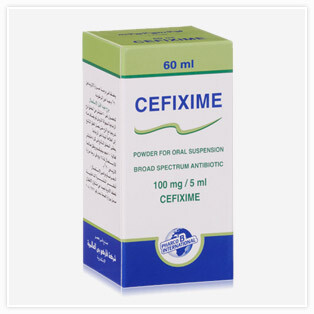
Cefixime powder for oral suspension should be mixed at the time of dispensing by adding the amount of water specified on the container to make a suspension containing 100 mg of cefixime per 5 mL.
The water should be added to the powder in 2 equal portions, and the bottle should be inverted and shaken after each addition.
The suspension should be shaken well just before each dose. The manufacturer states that cefixime oral suspension should be used to treat otitis media and that cefixime tablets should not be substituted for the oral suspension for this infection. However, tablets may not be commercially available in Canada. In addition, the higher bioavailability of cefixime when given as an oral suspension should be considered if the oral suspension is substituted for the tablet.
Dosage
Cefixime is commercially available as the trihydrate; the potency of the drug is expressed in terms of cefixime (the free acid), calculated on an anhydrous basis.
Adult Dosage
The usual adult dosage of cefixime is 400 mg daily. This may be given as a single 400 mg dose once daily, or 200 mg may be given every 12 hours, depending on the formulation available in Canada.
Adjusting the usual dosage of cefixime is generally not necessary in older adults unless kidney function is substantially impaired.
Gonorrhea and Associated Infections
For the treatment of uncomplicated gonorrhea caused by penicillinase-producing strains of N. gonorrhoeae (PPNG) or nonpenicillinase-producing strains of the organism, adults should receive a single 400 mg dose of cefixime. Higher single doses of cefixime (e.g., 800 mg) have also been used.
When cefixime is used to treat disseminated gonococcal infections after an initial parenteral regimen, Canadian guidance generally recommends that adults receive 400 mg twice daily to complete at least 1 week of treatment.
Unless coexisting chlamydial infection has been ruled out by appropriate testing, cefixime therapy for uncomplicated or disseminated gonococcal infections should be given together with an anti-infective regimen effective for presumed treatment of chlamydia (e.g., a single dose of oral azithromycin or a 7-day regimen of oral doxycycline).
Pediatric Dosage
Children older than 12 years of age or those weighing more than 50 kg may receive the usual adult dosage of cefixime. The usual dosage of cefixime for children 6 months to 12 years of age is 8 mg/kg/day. This may be given as a single daily dose, or 4 mg/kg may be given every 12 hours.
Duration of Therapy
The length of cefixime treatment depends on the type of infection, but treatment with the drug generally should continue for at least 48-72 hours after the patient becomes afebrile or there is evidence that the infection has been eradicated.
The usual duration of cefixime therapy is 5-10 days for uncomplicated urinary tract infections or upper respiratory tract infections and 10-14 days for lower respiratory tract infections.
For otitis media, the usual duration of treatment is 10-14 days; a shorter course (e.g., 5-7 days) may be effective but has not been fully evaluated in controlled clinical studies. If cefixime is used to treat infections caused by group A beta-hemolytic streptococci, treatment should continue for at least 10 days to reduce the risk of rheumatic fever or glomerulonephritis.
Dosage in Renal Impairment
Adjusting the usual dosage of cefixime is generally not necessary in patients with creatinine clearances greater than 60 mL/minute. In patients with creatinine clearances of 60 mL/minute or less, the dose and/or frequency of cefixime should be adjusted based on the degree of renal impairment.
Adults with creatinine clearances of 21-60 mL/minute or those undergoing renal hemodialysis should receive 75% of the usual cefixime dosage (i.e., 300 mg daily at the usual dosing interval), and adults with creatinine clearances less than 20 mL/minute or those undergoing continuous ambulatory peritoneal dialysis (CAPD) should receive 50% of the usual cefixime dosage (i.e., 200 mg) at the usual dosing interval.
Alternatively, some clinicians suggest that adults with creatinine clearances less than 20 mL/minute receive the usual dose of cefixime at twice the usual dosing interval. Because cefixime is not removed to any substantial extent by hemodialysis or peritoneal dialysis, extra doses are not needed during or after either procedure.
Cautions
Side effects reported with cefixime are similar to those reported with other cephalosporins. Cefixime is generally well tolerated; most side effects are temporary and mild to moderate in severity.
Side effects have been reported in up to 50% of patients receiving the drug, but they were severe enough to require stopping treatment in about 5% of patients.
GI Effects
The most common side effects of cefixime involve the GI tract. GI side effects have been reported in up to 30% of adults taking tablets of the drug and were mild in 20%, moderate in 5-9%, and severe in 2-3% of patients; tablet availability may vary in Canada.
Diarrhea or loose, frequent stools have been reported in up to 27% of patients, and abdominal pain, loss of appetite, nausea, vomiting, dyspepsia, flatulence, pruritus ani, and dry mouth have been reported in 1-11% of patients receiving the drug. The frequency of GI side effects in pediatric patients receiving cefixime oral suspension is reported to be comparable to that in adults taking tablets.
GI side effects generally appear during the first or second day of cefixime treatment and are probably direct effects of the drug rather than the result of changes in bowel flora. In both adults and children, up to 80% of reported cases of diarrhea or loose stools have occurred within the first 4 days of cefixime treatment. In a few studies, GI side effects appeared to be more common in patients receiving 400 mg of cefixime once daily than in those receiving 200 mg twice daily. However, results from most other studies in both adults and children indicate that the rate of GI effects is similar with both regimens and is not affected by dosing frequency.
GI side effects generally respond to symptom relief treatment or resolve when cefixime is discontinued. Rarely, these effects may be severe enough to require stopping the drug. Severe diarrhea and/or colitis, requiring hospitalization in some cases, has been reported rarely in patients receiving cefixime (i.e., in less than 2% of patients).
Clostridium difficile-associated diarrhea and colitis (also known as antibiotic-associated pseudomembranous colitis), caused by toxin-producing clostridia resistant to cefixime, may occur during cefixime treatment or after it is stopped and can range from mild to life-threatening. C. difficile and/or its toxin has been isolated from the stool of patients who developed diarrhea and/or colitis in association with cefixime therapy.
Mild cases of colitis may improve when cefixime alone is discontinued, but diagnosis and management of moderate to severe cases should include appropriate bacteriologic studies and treatment with fluid, electrolyte, and protein supplementation as indicated; rarely, careful use of sigmoidoscopy (or another appropriate endoscopic examination) may be considered necessary.
If colitis is moderate to severe or is not relieved by stopping cefixime, appropriate anti-infective therapy (e.g., oral metronidazole or vancomycin) should be given. Isolation of the patient may be advisable. Other causes of colitis should also be considered. Cefixime has several effects on normal bowel flora.
Cefixime (200 mg twice daily or 400 mg once daily) given for 1-2 weeks reduces total bacterial counts of normal fecal anaerobic bacteria, including clostridia, Bifidobacterium, and some Bacteroides. The drug also decreases bacterial counts of some normal fecal aerobic bacteria, including some Enterobacteriaceae and streptococci. In some patients, however, cefixime therapy results in increased fecal counts of group D streptococci, mainly Enterococcus faecalis (formerly Streptococcus faecalis). Fecal flora generally returns to pretreatment levels within 2 weeks after cefixime is discontinued.
Nervous System Effects
Headache has been reported in up to 3-16% of patients, and dizziness, nervousness, insomnia, somnolence, malaise, and fatigue have been reported in up to 4% of patients receiving cefixime. Seizures have been reported in less than 2% of patients receiving cefixime. Several other cephalosporins have also been implicated in triggering seizures, particularly in patients with renal impairment whose dosage was not reduced. If seizures occur during cefixime therapy, the drug should be discontinued and appropriate anticonvulsant therapy given as indicated.
Sensitivity Reactions
Hypersensitivity reactions have been reported in up to 7% of patients receiving cefixime and include rash, urticaria, drug fever, pruritus, and arthralgia. Anaphylaxis, angioedema, facial edema, Stevens-Johnson syndrome, erythema multiforme, toxic epidermal necrolysis, and serum sickness-like reactions have been reported in less than 2% of patients receiving cefixime. If a hypersensitivity reaction occurs during cefixime therapy, the drug should be discontinued. Severe acute hypersensitivity reactions should be treated with appropriate therapy (e.g., epinephrine, oxygen, antihistamines, corticosteroids, airway management) as indicated.
Hematologic Effects
Transient thrombocytopenia, thrombocytosis, leukopenia, leukocytosis, eosinophilia, and decreased hemoglobin concentration and hematocrit have been reported in less than 2% of patients receiving cefixime. Prolonged prothrombin time and prolonged partial thromboplastin time have also been reported rarely. Positive direct antiglobulin (Coombs') test results, neutropenia, pancytopenia, agranulocytosis, aplastic anemia, hemolytic anemia, and hemorrhage have been reported with other cephalosporins but have not been reported to date with cefixime.
Hepatic Effects
Transient increases in aspartate aminotransferase (AST; SGOT), alanine aminotransferase (ALT; SGPT), alkaline phosphatase, bilirubin, and lactate dehydrogenase (LDH) have been reported in less than 2% of patients receiving cefixime. Hepatitis and jaundice have been reported in less than 2% of patients receiving cefixime. Hepatic dysfunction, including cholestasis, has also been reported with other cephalosporins.
Renal and Genitourinary Effects
Transient increases in blood urea nitrogen (BUN) and serum creatinine concentrations and acute renal failure have been reported in less than 2% of patients receiving cefixime.
Dysuria and pyuria have been reported rarely. Genital pruritus, vaginitis, and vaginal candidiasis have been reported in less than 2% of patients receiving cefixime. Renal dysfunction and toxic nephropathy have been reported with other cephalosporins.
Other Adverse Effects
Increased serum amylase concentrations have been reported in 1.5-5% of patients receiving cefixime; however, there was no apparent correlation between increased serum amylase concentrations and GI side effects in these patients.
Precautions and Contraindications
Before starting cefixime therapy, careful questioning should be done about previous hypersensitivity reactions to cephalosporins, penicillins, or other drugs. There is clinical and laboratory evidence of partial cross-allergenicity among beta-lactam antibiotics, including penicillins, cephalosporins, and cephamycins.
Cefixime is contraindicated in individuals who are hypersensitive to the drug or other cephalosporins and should be used with caution in individuals who are hypersensitive to penicillins.
Cephalosporins should be avoided in patients who have had an immediate-type (anaphylactic) hypersensitivity reaction to penicillins.
Although it has not been definitively proven that allergic reactions to antibiotics are more common in atopic individuals, the manufacturer states that cefixime should be used with caution in individuals with a history of allergy, especially to drugs. As with other anti-infective agents, prolonged use of cefixime may result in overgrowth of nonsusceptible organisms.
Superinfection with gram-positive bacteria (e.g., staphylococci, enterococci) has occurred in patients receiving cefixime to treat otitis media or urinary tract infections. Careful monitoring of the patient during cefixime therapy is essential.
If suprainfection or superinfection occurs, appropriate therapy should be started. Cefixime should be used with caution in patients with a history of GI disease, especially colitis.
Because C. difficile-associated diarrhea and colitis have been reported with the use of cefixime or other cephalosporins, this should be considered in the differential diagnosis of patients who develop diarrhea during cefixime therapy. Because serum concentrations of cefixime are higher and last longer in patients with renal impairment than in patients with normal renal function, the dose and/or frequency of administration should be reduced in patients with impaired renal function, including those undergoing CAPD or hemodialysis.
Patients undergoing dialysis should be monitored carefully during cefixime therapy.
Pediatric Precautions
The safety and effectiveness of cefixime in children younger than 6 months of age have not been established. The rate of GI side effects, including diarrhea and loose stools, in children receiving cefixime oral suspension is reported to be comparable to that reported in adults taking tablets.
Diarrhea or loose stools have been reported in up to 15% of children 6 months to 13 years of age receiving oral cefixime. C. difficile-associated diarrhea and colitis have been reported rarely in children receiving cefixime. In 3 reported cases, symptoms (abdominal pain, diarrhea) began 4-14 days after the first dose of cefixime.
Geriatric Precautions
Because kidney function decreases with age and may be impaired in older adults, the possibility that cefixime dosage adjustment may be necessary in this age group should be considered.
Some evidence also indicates that the oral bioavailability of the drug may be increased in older adults, but such increases are reportedly not clinically important.
Mutagenicity and Carcinogenicity
Cefixime was not mutagenic when tested in vitro or in vivo in bacteria or mammalian cells for its ability to cause point mutations, induce unscheduled DNA synthesis, or cause chromosome aberrations. The drug did not show clastogenic potential in vivo in the mouse micronucleus test. Long-term animal carcinogenicity studies using cefixime have not been conducted to date.
Pregnancy, Fertility and Lactation
Reproduction studies in mice and rats using oral cefixime dosages up to 400 times the usual human dosage have not shown evidence of harm to the fetus. There are no adequate and controlled studies to date using cefixime in pregnant women, and the drug should be used during pregnancy only when clearly needed. Use of cefixime during labour and delivery has not been studied to date, and the drug should be used in these circumstances only when clearly needed.
There was no evidence of impaired fertility or adverse effects on reproductive performance in rats receiving cefixime dosages up to 125 times the usual adult dosage. Cefixime is distributed into milk in rats. Although the drug reportedly was not detected in milk following a single dose in lactating women in one study, it is not currently known whether cefixime is distributed into human milk. Therefore, cefixime should be used with caution in nursing women, and consideration should be given to temporarily stopping breastfeeding during treatment with the drug.
Drug Interactions
Antacids
Results of a study in healthy men indicate that giving an antacid containing aluminum hydroxide and magnesium hydroxide either at the same time as, or 2 hours before or after, a single 400 mg oral dose of cefixime has no clinically important effects on the pharmacokinetics of the anti-infective agent.
Probenecid
Although specific information is unavailable, concomitant administration of probenecid reportedly increases peak serum concentrations and the area under the serum concentration-time curve (AUC) of cefixime and decreases the drug's renal clearance and volume of distribution.
Salicylates
In one in vitro study in pooled serum, salicylic acid apparently displaced cefixime from protein-binding sites, resulting in more than a 50% increase in concentrations of free cefixime; this effect appeared to be concentration-dependent.
Concomitant administration of a 650 mg oral dose of aspirin and a 400 mg oral dose of cefixime in healthy adult men did not appear to affect protein binding, serum half-life, or renal clearance of cefixime, but it did result in a 20-25% decrease in peak serum concentrations and AUCs of the anti-infective agent.
Although the manufacturer states that this effect was not considered clinically important since serum concentrations of cefixime remained higher than the MIC values reported for most susceptible organisms, some clinicians state that this potential interaction may be clinically important in certain infections.
Anticoagulants
Increased prothrombin time with or without bleeding has been reported following concomitant use of cefixime with an anticoagulant (e.g., warfarin).
Other Drugs
Concomitant administration of cefixime and carbamazepine may result in increased plasma carbamazepine concentrations. Concomitant administration of cefixime and nifedipine increases the oral bioavailability of cefixime as a result of higher peak plasma concentrations and AUC. In vitro in pooled serum, acetaminophen, heparin, phenytoin, diazepam, ibuprofen, or furosemide had no clinically important effects on the in vitro protein binding of cefixime.
Laboratory Test Interferences
Tests for Urinary Glucose
Like most cephalosporins, cefixime may cause false-positive results in urine glucose testing using cupric sulfate (e.g., Benedict's solution, Clinitest®, Fehling's solution); however, glucose oxidase methods (e.g., Clinistix®, Tes-Tape®) are not affected by the drug.
Immunohematology Tests
Although this has not been reported to date with cefixime, positive direct antiglobulin (Coombs') test results have been reported in patients receiving other cephalosporins. This reaction may interfere with hematologic studies or transfusion cross-matching procedures and should be considered in patients receiving cefixime.
Urinary Ketones
Cefixime may cause false-positive results for urinary ketones when tests using nitroprusside are used; this should not occur when tests using nitroferricyanide are used.
Acute Toxicity
The oral LD50 of cefixime exceeds 10 g/kg in mice, rats, and rabbits. In dogs, LD50 determinations have been limited by emesis, which occurred when cefixime doses of 320 mg/kg or greater were used in these animals.
Limited information is available on the acute toxicity of cefixime in humans. In healthy adults who received cefixime in single doses up to 2 g, side effects were similar to those seen with usual doses of the drug and included mild to moderate GI side effects. If acute overdose of cefixime occurs, the stomach should be emptied by gastric lavage. Cefixime is not removed in clinically important quantities by hemodialysis or peritoneal dialysis.
Mechanism of Action
Cefixime is usually bactericidal. Like other cephalosporins, the drug's antibacterial activity results from inhibition of mucopeptide synthesis in the bacterial cell wall.
Studies evaluating the binding of cefixime to penicillin-binding proteins (PBPs), the target enzymes of beta-lactam antibiotics, show that cefixime has a high affinity for PBPs 3, 1a, and 1b of Escherichia coli. Since PBP 1b is a killing site for beta-lactam anti-infectives, cefixime's high affinity for this site may be a major factor in the drug's potent bactericidal activity against this organism. Cefixime has only low affinity for PBP 2 of staphylococci and little or no affinity for PBP 4 or 5. In vitro studies indicate that low concentrations of cefixime usually cause the formation of filamentous cells in susceptible E. coli or Klebsiella pneumoniae.
At higher concentrations, direct lysis of the organisms may also occur, along with spheroplast formation and rupture. After in vitro exposure to cefixime, morphologic changes in beta-lactamase-producing E. coli are the same as those seen in non-beta-lactamase-producing strains. Lysis also occurs in susceptible anaerobic bacteria following in vitro exposure to cefixime.
For most susceptible organisms, the minimum bactericidal concentration (MBC) of cefixime is only 1-4 times higher than the minimum inhibitory concentration (MIC). However, for some strains of Enterobacter, Klebsiella, Morganella, Proteus, Providencia, and Serratia, the MBC may be 9-32 times higher than the MIC.
In Vitro Susceptibility Testing
Results of in vitro cefixime susceptibility testing are not usually affected by the pH of the media or by the presence of certain cations (e.g., calcium, magnesium, sodium). There is generally little effect on test results when the pH of the media is within the range of 5-8. In vitro activity of cefixime against Enterobacteriaceae is not affected by the presence of urine or serum. Inoculum size may affect in vitro susceptibility to cefixime. MICs for most susceptible organisms are not greatly affected when the inoculum is increased from 103 to 105 colony-forming units (CFU) per mL; however, MICs for some Enterobacteriaceae may be 15-500 times higher when the inoculum is increased from 103 to 107 CFU.
The National Committee for Clinical Laboratory Standards (NCCLS) states that if in vitro susceptibility testing shows a clinical isolate is susceptible to cefixime, an infection caused by that strain may be appropriately treated with the recommended dose for that type of infection and infecting species, unless otherwise contraindicated.
Distribution
Information on the distribution of cefixime is limited.
After oral administration, cefixime is distributed into bile, sputum, tonsils, maxillary sinus mucosa, middle ear discharge, blister fluid, and prostatic fluid. Sputum concentrations may be 2-10% of corresponding serum concentrations; in one study, a single 200-mg oral dose of cefixime resulted in sputum concentrations of 0.03-0.12 mcg/mL.
It is not known whether cefixime is distributed into cerebrospinal fluid (CSF) after oral administration.
Stability
Cefixime powder for oral suspension should be stored in tightly closed containers at 15-30°C (59-86°F). After reconstitution, cefixime oral suspension does not need to be refrigerated; it should be stored in a tight container and remains stable for 14 days at room temperature or under refrigeration. Any unused suspension should be discarded after this period.