Fasigyn (tinidazole) is a nitroimidazole antimicrobial used to treat certain protozoal infections and bacterial vaginosis. In Canada, tinidazole is used in clinical practice for infections such as trichomoniasis, giardiasis, amebiasis, and bacterial vaginosis, depending on the prescribing context and patient factors.
What is Fasigyn used for?
Tinidazole has been used in Canada since 1987.
Tinidazole should only be used for infections that are proven or strongly suspected to be caused by susceptible organisms. It does not work against viruses such as colds or the flu, so it should not be used for viral infections.
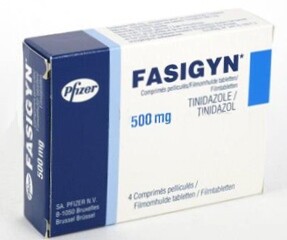
If it seems unusual that a specialist in Canada has prescribed these tablets, don't hesitate to ask questions. Also keep in mind that in Canada, this medicine is only available with a doctor's prescription.
Trichomoniasis (sexually transmitted infection)
Tinidazole is indicated for the treatment of trichomoniasis caused by Trichomonas vaginalis. Because trichomoniasis is a sexually transmitted infection, sexual partners should be treated with the same dose at the same time to help prevent re-infection.
Bacterial vaginosis (BV)
Tinidazole is indicated for the treatment of bacterial vaginosis in non-pregnant adult women.
Infections caused by organisms called protozoa
Tinidazole is indicated for giardiasis caused by Giardia duodenalis and for intestinal amebiasis and amebic liver abscess caused by Entamoeba histolytica (in adults and in children age 3 and older).
Infection associated with stomach ulcers in combination with other drugs
Tinidazole may be used off-label as part of some Helicobacter pylori eradication regimens in combination with other medications. Use it only if a clinician has prescribed it for this purpose.
In all of these uses, the active ingredient is tinidazole, so you may often see this name when looking for information about Fasigyn tablets.
How to take Fasigyn tablets
Take tinidazole with food to help reduce stomach upset. Swallow the tablets with water (about 100 mL / about 3.4 fl oz). If you have trouble swallowing, ask your pharmacist or doctor for advice. The tablets may be crushed and mixed with syrup only if a healthcare professional tells you to do so.
Here are some do's and don'ts for taking Fasigyn.
Do's:
- If you become pregnant during the course, tell your doctor as soon as possible;
- If you get white spots in your mouth or on your tongue while taking the tablets or soon after finishing the course, contact your doctor or pharmacist;
- If you get itching or burning in the genital area and/or white discharge while taking the tablets or soon after finishing them, tell your doctor. Tinidazole may contribute to yeast overgrowth;
- If you are about to start taking other medications during the course, check with your doctor first;
- Tell any healthcare professional treating you that you are taking tinidazole.
Don'ts
- Don't give your tablets to anyone else, even if they have similar symptoms or the same condition;
- Don't try to get prescription medications without a prescription to treat any condition.
If you miss a dose:
- Take it as soon as you remember, unless it is almost time for your next dose;
- Do not take more than prescribed to make up for a missed dose.
If you overdose:
- Call 911 in an emergency, or contact your doctor and/or your local Poison Centre. In most parts of Canada, the poison number is 1-844-POISON-X (1-844-764-7669); in Québec, call 1-800-463-5060.
Side effects of Fasigyn
If you have any discomfort while taking this medicine, even if it is not listed here, check with your doctor. Some reactions can vary from person to person.
The most common side effects reported with a single 2 g dose include a metallic or bitter taste, nausea, weakness, fatigue or malaise, stomach upset (dyspepsia, cramps, or epigastric discomfort), vomiting, loss of appetite, headache, dizziness, and constipation.
Skin rash or itching
If you develop a severe rash, swelling, trouble breathing, or other signs of a serious allergic reaction, stop taking the medicine and get medical help right away.
Fasigyn dose
Follow your doctor's prescription exactly. The dose depends on the condition being treated.
Tinidazole 500 mg: 4 tablets at once
A dose of 4 tablets of tinidazole 500 mg taken at once equals 2 grams (2 g). When a clinician prescribes a 2 g single dose, it means taking all four 500 mg tablets at the same time, preferably with food to help reduce stomach upset.
- Trichomoniasis (adults): 2 g by mouth as a single dose with food. Treat sexual partners with the same dose at the same time.
- Giardiasis: Adults: 2 g by mouth as a single dose with food. Children (age 3 and older): 50 mg/kg as a single dose (max 2 g) with food.
- Amebiasis (intestinal): Adults: 2 g per day for 3 days with food. Children (age 3 and older): 50 mg/kg/day (max 2 g/day) for 3 days with food.
- Amebic liver abscess: Adults: 2 g per day for 3-5 days with food. Children (age 3 and older): 50 mg/kg/day (max 2 g/day) for 3-5 days with food.
- Bacterial vaginosis (non-pregnant adult women): 2 g once daily for 2 days with food, or 1 g once daily for 5 days with food.
Contraindications and precautions
Do not take tinidazole if you have had a hypersensitivity or allergic reaction to tinidazole or other nitroimidazole derivatives.
- Pregnancy: Do not use tinidazole during the first trimester of pregnancy. If you are pregnant, especially in the 2nd or 3rd trimester, or planning a pregnancy, discuss the risks and benefits with your doctor.
- Breast-feeding: Breastfeeding should be interrupted during tinidazole treatment and for 3 days after the last dose.
Stop taking tinidazole and contact a clinician promptly if you develop unusual neurologic signs such as numbness, tingling, or seizures.
Interaction with other medications and other forms of interaction
Tell your doctor about all medications and supplements you take.
Alcohol
Avoid alcoholic beverages and products containing ethanol or propylene glycol during tinidazole treatment and for 3 days after the last dose because a disulfiram-like reaction may occur. This can include flushing, abdominal cramps, nausea, vomiting, and headache. Do not take tinidazole if you have taken disulfiram within the last 2 weeks.
Do not take medications that contain alcohol either, such as some cough syrups.
Anticoagulants
Tinidazole may increase the effect of warfarin and other coumarin anticoagulants, which can prolong prothrombin time/INR. The anticoagulant dose may need to be adjusted while taking tinidazole together and for up to 8 days after stopping it.
Effects on ability to drive and use machines
Tinidazole may cause dizziness or other neurologic side effects in some people. If you feel dizzy or unwell, avoid driving or operating machinery.
How to store Fasigyn tablets
- Store at controlled room temperature 20°C to 25°C (68°F to 77°F); excursions permitted to 15°C to 30°C (59°F to 86°F).
- Protect from light and keep it in the original packaging.
- Keep out of reach of children and pets.
Do not dispose of the medication by flushing it down the toilet. Ask a pharmacist about proper disposal.