Azithromycin is a macrolide antibiotic used to treat certain infections caused by susceptible bacteria, including some respiratory tract infections, ear infections, skin infections, and specific sexually transmitted infections (STIs). It works by stopping bacteria from making the proteins they need to grow. Many treatment courses are short because azithromycin stays in the body longer than some other antibiotics.

Use only as prescribed: Azithromycin does not treat viral illnesses such as colds or the flu, and taking antibiotics when they are not needed can increase the risk of antibiotic resistance.
Top 10 Antibiotics
The list below highlights antibiotics that are commonly prescribed in a range of medical settings.
- Amoxicillin - One of the most commonly prescribed antibiotics in many settings.
- Cephalexin - A common option for certain skin and soft tissue infections and other susceptible infections.
- Amoxicillin/Clavulanate (Augmentin) - A combination antibiotic used when beta-lactamase-producing bacteria are a concern.
- Doxycycline - A broad-spectrum antibiotic used for a variety of infections, including some respiratory infections and acne.
- Ciprofloxacin - A fluoroquinolone used for specific infections; it can carry serious risks and should be used only when appropriate.
- Trimethoprim - Often used for urinary tract infections (note: some products or regions use combination therapy).
- Flucloxacillin - A penicillin antibiotic mainly used for skin infections and seen more often in the UK and Europe.
- Clindamycin - Used for selected infections, including some anaerobic and skin infections.
- Metronidazole - A common choice for anaerobic infections and certain protozoal infections.
- Azithromycin - A useful option for selected respiratory infections and certain STIs when clinically appropriate.
Comparison of Azithromycin with Other Frequently Prescribed Antibiotics
|
Antibiotic
|
Spectrum of activity
|
How it works
|
Common uses
|
Side effects
|
Formulation/administration
|
|
Azithromycin
|
Broad activity against susceptible bacteria, including atypical bacteria
|
Inhibits protein synthesis
|
Selected respiratory infections, certain STIs
|
Diarrhea, nausea, abdominal pain (rarely, heart rhythm problems in at-risk patients)
|
Oral (tablets, suspension)
|
|
Amoxicillin
|
Broad-spectrum
|
Inhibits cell wall synthesis
|
Ear infections, respiratory infections, certain urinary tract infections
|
Diarrhea, rash, nausea
|
Oral (tablets, suspension)
|
|
Cephalexin
|
Primarily Gram-positive, with some Gram-negative activity
|
Inhibits cell wall synthesis
|
Skin and soft tissue infections, some respiratory infections
|
Rash, nausea, diarrhea
|
Oral (capsules, suspension)
|
|
Amoxicillin/Clavulanate (Augmentin)
|
Broad-spectrum, including some beta-lactamase producers
|
Inhibits cell wall synthesis & blocks beta-lactamase
|
Sinusitis, pneumonia, skin infections (when susceptible)
|
Digestive upset, nausea
|
Oral (tablets, suspension)
|
|
Doxycycline
|
Broad-spectrum
|
Inhibits protein synthesis
|
Acne, respiratory infections, tick-borne infections
|
Sun sensitivity, digestive issues
|
Oral (tablets)
|
|
Ciprofloxacin
|
Broad-spectrum (strong Gram-negative activity)
|
Inhibits DNA gyrase
|
Selected infections (for example, some complicated urinary tract infections), depending on susceptibility
|
Tendon injury risk, nausea, diarrhea
|
Oral (tablets)
|
|
Trimethoprim
|
Narrow to broad (depends on product/combination)
|
Inhibits folic acid synthesis
|
Urinary tract infections
|
Rash, nausea
|
Oral (tablets)
|
|
Flucloxacillin
|
Narrow-spectrum
|
Inhibits cell wall synthesis
|
Skin and soft tissue infections
|
Nausea, diarrhea
|
Oral (capsules)
|
|
Clindamycin
|
Narrow to broad
|
Inhibits protein synthesis
|
Anaerobic infections, skin infections
|
Diarrhea, rash
|
Oral (capsules)
|
|
Metronidazole
|
Anaerobic bacteria & protozoa
|
Disrupts DNA synthesis
|
Anaerobic infections, certain protozoal infections
|
Metallic taste, nausea
|
Oral (tablets)
|
Detailed Comparisons of Azithromycin with Other Antibiotics
Azithromycin vs. Amoxicillin
Azithromycin covers susceptible bacteria and is active against atypical organisms such as Mycoplasma pneumoniae. It is sometimes chosen when penicillin allergy is a concern. Depending on the condition and local resistance patterns, amoxicillin may be preferred for some common infections, such as acute otitis media. Both drugs can cause gastrointestinal side effects. Azithromycin has been associated with QT interval prolongation and should be used with caution in at-risk patients.
Azithromycin vs. Augmentin (Amoxicillin/Clavulanate)
While both antibiotics are used for certain respiratory infections, Augmentin has enhanced activity against some beta-lactamase-producing bacteria because it contains clavulanate. Azithromycin is more active against atypical pathogens and is often used in shorter regimens. Augmentin, however, is more likely to cause gastrointestinal side effects.
Azithromycin vs. Cephalexin
Cephalexin mainly targets Gram-positive bacteria and is often used for skin and soft tissue infections. Azithromycin's activity against atypical pathogens makes it useful for selected respiratory infections and certain STIs. Both antibiotics are generally well tolerated, but azithromycin usually requires fewer doses because it has a longer half-life.
Azithromycin vs. Doxycycline
Doxycycline is effective against many infections, including acne and tick-borne illnesses, whereas azithromycin is commonly used for selected respiratory infections and certain STIs. Doxycycline is generally avoided in younger children because it can affect developing teeth, though short courses are used for certain serious infections. Azithromycin may be used in children when appropriate; follow a clinician's guidance.
Azithromycin vs. Ciprofloxacin
Ciprofloxacin is a fluoroquinolone with strong activity against Gram-negative bacteria and is used for specific infections. Azithromycin, by contrast, is often chosen for selected respiratory infections and certain STIs. Fluoroquinolones can carry serious risks, including tendon injury. The choice depends on the infection, susceptibility results when available, and individual patient factors.
Azithromycin vs. Trimethoprim
Trimethoprim is mainly used for urinary tract infections, whereas azithromycin is used for different types of infections. They work in different ways: trimethoprim inhibits folic acid synthesis, while azithromycin targets protein synthesis. Trimethoprim may cause skin reactions in some patients, while azithromycin is more commonly linked to gastrointestinal upset.
Azithromycin vs. Flucloxacillin
Flucloxacillin is mainly used for infections caused by Staphylococcus aureus, especially skin infections. Azithromycin works against a broader range of susceptible organisms but may be less effective against certain resistant Gram-positive bacteria. Both antibiotics can cause mild gastrointestinal side effects.
Azithromycin vs. Clindamycin
Clindamycin is often chosen for anaerobic infections and some dental infections, while azithromycin is more suited to selected respiratory infections and certain STIs. Clindamycin carries a higher risk of C. difficile-associated diarrhea, and any antibiotic-associated diarrhea should be assessed by a clinician.
Azithromycin vs. Metronidazole
Metronidazole is highly effective against anaerobic bacteria and protozoa, whereas azithromycin is used for selected respiratory infections and certain STIs. Metronidazole can cause a metallic taste and gastrointestinal upset; alcohol should generally be avoided during metronidazole treatment. Azithromycin has different interaction and dietary considerations depending on the product and the patient.
Advantages of Azithromycin
- Effective for certain bacterial infections, including selected respiratory infections and certain sexually transmitted infections.
- Authorized by Health Canada for certain infections caused by susceptible bacteria, such as specific respiratory infections and certain genital infections including chlamydial urethritis and cervicitis.
- Works by inhibiting bacterial protein synthesis, which can be useful against intracellular pathogens.
- Often given as a short-course treatment because of its long half-life, which may help support adherence.
- It is often well tolerated; however, side effects, drug interactions, and risks vary from person to person.
Common tablet strengths: Azithromycin tablets are commonly available in 250 mg and 500 mg strengths (availability depends on the product and country).
Contraindications and Precautions by Age Group
General Contraindications (All Ages)
Before looking at age-related considerations, it helps to distinguish true contraindications from warnings and precautions.
Allergic Reactions
Azithromycin is contraindicated in people with known hypersensitivity to azithromycin, erythromycin, or any macrolide or ketolide antibiotic. Allergic reactions can range from rash to severe anaphylaxis.
Hepatic Dysfunction Related to Prior Azithromycin Use
Azithromycin is contraindicated in patients with a history of cholestatic jaundice or hepatic dysfunction associated with prior use of azithromycin.
Heart Rhythm Risk (QT Prolongation)
QT prolongation and torsades de pointes have been reported with azithromycin. This risk should be considered when prescribing for patients with known QT prolongation, a history of torsades de pointes, congenital long QT syndrome, bradyarrhythmias or uncompensated heart failure, uncorrected hypokalemia or hypomagnesemia, clinically significant bradycardia, or when used with other QT-prolonging drugs.
Myasthenia Gravis
Worsening of myasthenia gravis symptoms and new onset of myasthenic syndrome have been reported with azithromycin. Patients with myasthenia gravis should use azithromycin only under a clinician's guidance.
Liver and Kidney Issues
Azithromycin has been associated with hepatotoxicity, including rare severe outcomes. Stop taking it and seek medical care if symptoms of hepatitis occur, such as jaundice, dark urine, right upper abdominal pain, or significant fatigue. Renal impairment: dose adjustment is not routinely required in mild to moderate impairment; use caution in severe renal impairment.
Neonates (0-42 days)
Following the use of azithromycin in neonates, with treatment up to 42 days of life, infantile hypertrophic pyloric stenosis (IHPS) has been reported. Parents and caregivers should contact a clinician if vomiting or irritability with feeding occurs.
Infants and Toddlers (43 days to 2 years)
Azithromycin may be prescribed in this age group when clinically appropriate, but the choice of treatment should be guided by the type of infection, local resistance patterns, and available first-line options. Caregivers should seek medical advice promptly if significant vomiting, persistent diarrhea, rash, or signs of an allergic reaction occur.
Children (2-16 years)
Pediatric patients may experience gastrointestinal side effects, including diarrhea and vomiting. Rarely, hearing-related side effects have been reported, especially with prolonged courses or in patients with significant underlying illness. For common infections, the choice to use azithromycin should follow clinician guidance and local recommendations, including when first-line agents are not suitable because of allergy or other factors.
Additionally, children with myasthenia gravis may experience worsening symptoms. Long-term or repeated use can contribute to antibiotic resistance.
Adolescents and Adults
Most adolescents and adults tolerate azithromycin well. However, extra caution is needed in the following situations:
- Heart rhythm risk: azithromycin may increase the risk of arrhythmias, especially in patients with prolonged QT syndrome or when combined with other QT-prolonging medications.
- Liver disease or prior cholestatic jaundice related to azithromycin: prior cholestatic jaundice/hepatic dysfunction associated with azithromycin is a contraindication; other liver disease warrants careful clinician oversight.
- History of antibiotic-associated diarrhea: Clostridioides difficile-associated diarrhea (CDAD) can occur with nearly all antibiotics; seek care for severe or persistent diarrhea.
- Diabetes: some liquid formulations may contain sugar, so patients may need to account for carbohydrate intake as advised.
- Myasthenia gravis: symptoms may worsen.
- Pregnancy and breastfeeding: use only if clearly indicated. Discuss breastfeeding considerations with a clinician.
- Drug interactions: azithromycin can interact with other medications, including certain antiarrhythmics and anticoagulants.
Elderly Patients (65 Years and Older)
Older adults may be more vulnerable to QT-related effects and possible drug interactions, especially when taking multiple medications. Azithromycin should be used with caution in patients with cardiac risk factors and when combined with QT-prolonging drugs. Gastrointestinal side effects may also be more troublesome for some older adults.
While no specific routine dose adjustment is required based on age alone, clinicians should consider comorbidities, concomitant medications, and overall risk, including cardiovascular risk.
Special Considerations
Limitations of use (pneumonia/oral therapy): oral azithromycin should not be used for pneumonia in patients considered inappropriate for oral therapy because of moderate to severe illness or certain risk factors, such as cystic fibrosis, nosocomial infection, known or suspected bacteremia, a need for hospitalization, or significant underlying health problems such as immunodeficiency or functional asplenia.
Dosing: the dose depends on the infection being treated, age/weight, and formulation. Use only the regimen prescribed by your clinician, and complete the course as directed unless your prescriber tells you otherwise.
Azithromycin can be an effective antibiotic when used appropriately, but age-related risks and individual medical conditions should be considered before use. If you or a loved one are considering azithromycin treatment, speak with a healthcare professional to find out whether it is suitable for the specific age group and clinical situation.
Azithromycin and Antibiotic Resistance
How Resistance to Azithromycin Develops
Bacteria can become resistant to azithromycin through several mechanisms. One common pathway is mutation and selection, where bacteria with genetic changes that reduce susceptibility survive antibiotic exposure and continue to multiply.
Resistance can also occur through efflux pumps, which reduce the amount of antibiotic inside the bacterial cell. In addition, bacteria may alter the antibiotic's target site, the ribosome, so azithromycin binds less effectively. Some bacteria can inactivate macrolides through enzymatic mechanisms.
Widespread and inappropriate use of azithromycin, such as taking it for viral illnesses or not using it as prescribed, can speed up the development and spread of resistant strains.
Consequences of Azithromycin Resistance
Rising resistance can make infections harder to treat. Patients may need alternative antibiotics, which may be less convenient, more expensive, or linked to different side effects. Resistance can also contribute to longer illness and a higher risk of complications.
Healthcare systems may also face higher costs when resistant infections lead to additional clinic visits, hospitalization, or more intensive care.
Azithromycin Resistance in Common Infections
Resistance to azithromycin has been reported in multiple settings. In respiratory tract infections, reduced susceptibility has been seen in pathogens such as Streptococcus pneumoniae and Haemophilus influenzae, which can contribute to treatment challenges depending on local resistance patterns.
For Neisseria gonorrhoeae, increasing azithromycin resistance has been documented, and many guidelines have moved away from routine azithromycin co-therapy partly because of antimicrobial stewardship and resistance concerns.
In gastrointestinal infections, increasing resistance in organisms such as Campylobacter has been reported in some regions, which can complicate treatment decisions.
Strategies to Prevent Azithromycin Resistance
Reducing resistance requires careful, responsible antibiotic use. Azithromycin should be used only when a clinician determines it is appropriate for a suspected or confirmed bacterial infection, taking local guidance and resistance patterns into account. Completing the course exactly as prescribed helps reduce the chance that partially susceptible bacteria survive and spread.
Canadian clinicians should avoid prescribing antibiotics for viral infections such as the common cold and flu, where antibiotics do not help.
Surveillance and research are important for tracking resistance trends, guiding prescribing practices, and supporting the development of new antimicrobial strategies.
Global Measures to Slow Antibiotic Resistance
Many countries support antibiotic stewardship and antimicrobial resistance (AMR) surveillance programs to reduce inappropriate antibiotic use and track resistant strains.
Globally, the World Health Organization's Global Antimicrobial Resistance and Use Surveillance System (GLASS) supports standardized collection and sharing of AMR data.
The Future of Azithromycin and Resistance
Growing resistance highlights the need for continued antibiotic stewardship, surveillance, and innovation. Researchers are evaluating new antibiotics and alternative approaches, but many options are still under investigation and are not routine treatments.
Azithromycin remains an important antibiotic when it's used appropriately. Patients and healthcare providers can help preserve its effectiveness by using antibiotics only when needed, following the prescribed directions, and supporting evidence-based antibiotic stewardship.
Finish the full course: Stopping early can allow surviving bacteria to grow again and may increase the risk of resistance.
Interactions with Azithromycin
Overview of Azithromycin Interactions
Azithromycin can interact with certain medications and may need extra caution in some medical conditions. While azithromycin is generally less likely to cause some enzyme-mediated interactions than certain other macrolides, clinically important interactions can still happen, especially in people taking multiple medications.
Disease Interactions
Azithromycin has known disease interactions that require caution, including:
- QT prolongation - higher risk in patients with a history of QT prolongation or those taking medications that affect heart rhythm.
- Liver disease - liver-related side effects have been reported; patients with liver impairment may need closer monitoring.
- Myasthenia gravis - azithromycin may worsen symptoms of this neuromuscular disorder.
- Colitis (Clostridioides difficile) - antibiotics can disrupt normal gut flora and increase the risk of C. difficile-associated diarrhea.
For more information, visit our article on Precautions and Contraindications by age group.
Common Drug Interactions
- Nelfinavir - may increase azithromycin serum concentrations; monitor for side effects.
- Warfarin and other oral anticoagulants - may increase anticoagulant effects; monitor INR/prothrombin time.
- Digoxin, colchicine, or phenytoin - careful monitoring is recommended when used with azithromycin.
- Antacids (aluminum- or magnesium-containing) - may reduce absorption; separate doses (for example, by at least 2 hours).
- Ergotamine or dihydroergotamine - avoid using together unless a clinician specifically advises it.
- Cyclosporine or tacrolimus - monitoring may be needed; clinicians may adjust treatment based on drug levels and clinical response.
- Rifabutin - may require monitoring when used together.
- Statins - get medical advice if you develop unexplained muscle pain, tenderness, or weakness.
- Heart rhythm medications and other QT-prolonging drugs - using azithromycin with QT-prolonging medications may increase the risk of arrhythmias.
Antacids: If you use aluminum- or magnesium-containing antacids, take azithromycin at a different time (for example, about 2 hours apart).
Comparing with Other Antibiotics
Understanding how azithromycin compares with other antibiotics in terms of effectiveness and safety can help you choose the most appropriate treatment option.
Azithromycin and Herbal Remedies and Supplements
Information on interactions between azithromycin and herbal remedies or supplements is limited. Always tell your clinician or pharmacist about any supplements, vitamins, or herbal products you use.
OTC Medications
Common non-prescription medications such as acetaminophen, loratadine, and cetirizine are generally considered compatible for many patients. However, ask a clinician or pharmacist if you use decongestants, antacids, or any medication that can affect heart rhythm.
Azithromycin and Food
Azithromycin tablets and immediate-release oral suspension are usually taken with or without food. The extended-release suspension (Zmax) should be taken on an empty stomach (at least 1 hour before or 2 hours after a meal). Taking immediate-release forms with food may help reduce stomach upset for some patients.
Azithromycin and Drinks
There is limited evidence that specific beverages meaningfully affect how well azithromycin works for most patients. If azithromycin upsets your stomach, taking the immediate-release forms with a small meal may help.
Azithromycin and Alcohol
There is no specific Health Canada warning that prohibits alcohol with azithromycin, but alcohol can worsen nausea, diarrhea, and dehydration. It's generally best to limit alcohol while you're sick or taking antibiotics.
Precautions and Additional Considerations
Tell your clinician about all the medications you take, especially ones that affect heart rhythm or are known to interact with macrolide antibiotics.
Live oral cholera vaccine (VAXCHORA): do not give VAXCHORA to patients who have received oral or parenteral antibiotics within 14 days before vaccination.
Side Effects of Azithromycin
Common Side Effects
Azithromycin may cause some common side effects. If these symptoms bother you or do not go away, speak to your healthcare provider:
- nausea (feeling sick);
- vomiting (being sick);
- diarrhea;
- stomach pain;
- loss of appetite;
- headache;
- dizziness or tiredness;
- changes in taste.
Serious Side Effects
Although less common, azithromycin can cause serious side effects. Get medical attention if you experience any of the following:
Severe Allergic Reactions
Stop taking the medication and get immediate medical help if you experience:
- difficulty breathing or wheezing;
- rapid heartbeat;
- fever or a general feeling of being unwell;
- swollen lymph nodes;
- swelling of the face, lips, mouth, tongue, or throat;
- difficulty swallowing or throat tightness;
- skin rash, itching, or hives;
- dizziness, lightheadedness, or fainting.
Angioedema
Azithromycin may cause swelling of the lips, face, tongue, or throat. Stop taking the medication and contact your doctor if swelling occurs. If breathing becomes difficult, get emergency medical care right away.
Liver Damage (Hepatotoxicity)
Contact your healthcare provider immediately if you experience:
- persistent nausea or vomiting;
- abdominal pain;
- fever;
- unusual weakness or tiredness;
- itching;
- loss of appetite;
- pale stools;
- dark urine;
- yellowing of the skin or eyes (jaundice).
Heart Rhythm Changes
In rare cases, azithromycin may cause QT prolongation and torsades de pointes. Tell your doctor if you experience fainting or an irregular or fast heartbeat.
Antibiotic-Associated Diarrhea
This condition can occur even up to two months after stopping the medication. Contact your healthcare provider if you develop watery diarrhea, persistent diarrhea, blood in your stool, severe stomach cramps, or fever.
Infantile Hypertrophic Pyloric Stenosis (IHPS)
In infants under six weeks old (treatment up to 42 days of life), azithromycin has been linked to reports of IHPS. Get medical attention if your baby vomits frequently or seems unusually irritable after feeding.
Risk Factors
Several conditions may increase the risk of side effects from azithromycin.
Kidney Disease
Azithromycin is primarily eliminated through biliary excretion. In people with severe kidney impairment, clinicians may recommend closer monitoring.
Liver Disease
People with severe liver disease should use azithromycin only with clinician guidance and monitoring.
Heart Conditions
People with a history of heart rhythm problems, or those taking other medications that affect heart rhythm, should use azithromycin with caution.
Drug Interactions
Azithromycin may interact with certain medications, especially those used to treat heart conditions (for example, antiarrhythmics) and anticoagulants (blood thinners).
Managing Side Effects
- Nausea and vomiting: taking the dose with food may help many patients.
- Diarrhea: stay hydrated; seek care if it is severe, watery, or bloody.
- Stomach irritation: smaller meals may help; ask a clinician if symptoms continue.
- Skin rash or allergy symptoms: stop the medication and seek urgent care if swelling or trouble breathing occurs.
Long-Term Use & Resistance Concerns
Azithromycin is usually used for short-term treatment of bacterial infections. Prolonged or inappropriate use can contribute to antibiotic resistance.
When to Stop Taking Azithromycin
Stop and get medical care for severe allergic reactions, serious heart rhythm symptoms, severe diarrhea or blood in the stool, or signs of liver injury.
Different Forms of Azithromycin
Azithromycin comes in different forms, including tablets, oral suspension, and extended-release oral suspension (Zmax). Each form has its own considerations. Below is a practical overview.
Canadian physicians recommend confirming which form of azithromycin is appropriate before use.
Also available as an injection: Azithromycin is also available in an intravenous (IV) form used in hospitals for selected severe infections or when oral treatment is not appropriate.
Azithromycin Tablets
Azithromycin tablets are commonly available in 250 mg and 500 mg strengths and are taken by mouth with water. This form may be prescribed for infections caused by susceptible bacteria, including certain respiratory tract infections, skin infections, and specific sexually transmitted infections (STIs) such as chlamydia.

Advantages
- Convenient dosing, often once daily (the regimen depends on the infection).
- Long half-life, which supports shorter regimens for some indications.
- Easy to store and transport: no refrigeration required.
Disadvantages
- May cause gastrointestinal side effects.
- Not suitable for people who have trouble swallowing tablets.
Best for
- Patients who can swallow tablets.
- Those who prefer a simple oral dosing option.
Azithromycin Oral Suspension
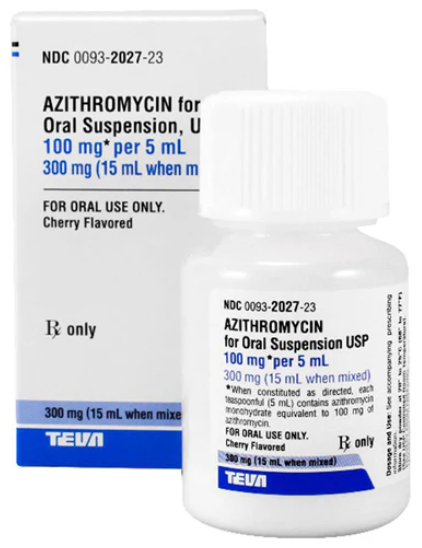
Azithromycin oral suspension is a liquid form often used for children or adults who have trouble swallowing tablets. It allows flexible dosing based on weight and the type of infection. After reconstitution, follow the label instructions for storage and when to discard it.
Advantages
- Easier to give to people who cannot swallow tablets.
- Supports weight-based dosing in children.
Disadvantages
- Requires accurate measuring and shaking before use.
- Shorter shelf life after mixing; follow the label for discard instructions.
Best for
- Children who need weight-based dosing.
- Adults with swallowing difficulties.
Azithromycin Extended-Release Oral Suspension (Zmax)
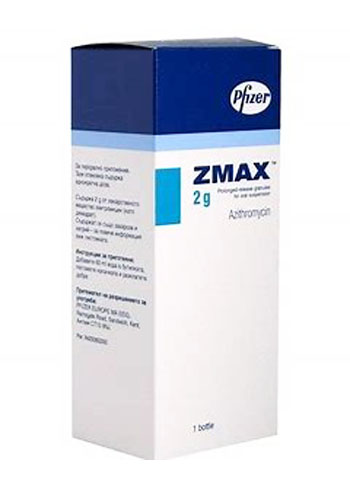
Azithromycin extended-release oral suspension (Zmax) is a long-acting formulation typically given as a single-dose regimen for certain infections. It should be taken on an empty stomach (at least 1 hour before or 2 hours after a meal). Follow the product directions carefully.
|
Form
|
Best for
|
Advantages
|
Disadvantages
|
|
Tablets
|
Patients who can take solid oral dosage forms
|
Convenient oral dosing, easy to store
|
May cause stomach upset, hard for some people to swallow
|
|
Oral Suspension
|
Children and patients with swallowing difficulties
|
Flexible dosing, easier to take
|
Requires accurate dosing, limited time after reconstitution
|
|
Extended-Release Suspension (Zmax)
|
Single-dose regimen when clinically appropriate
|
Single-dose convenience for certain indications
|
Must be taken on an empty stomach; not suitable for all infections
|
Warnings and Precautions When Using Azithromycin
Who Should Avoid Azithromycin?
People who are allergic to azithromycin, erythromycin, or other macrolide or ketolide antibiotics should not use azithromycin. Anyone allergic to an ingredient in a specific product should also avoid that product (a pharmacist can help you check the ingredient list).
Azithromycin is contraindicated in patients with a history of cholestatic jaundice or hepatic dysfunction associated with prior use of azithromycin.
Precautions Before Using Azithromycin
Use azithromycin only if a healthcare provider prescribes it, and follow the prescribed regimen.
Do not share azithromycin with others. Keep it out of the reach of children.
Important Safety Information
Hypersensitivity Reactions
Serious allergic reactions (including angioedema, anaphylaxis, and severe skin reactions) have been reported. If an allergic reaction occurs, stop the medication and seek urgent medical care.
Hepatotoxicity
Azithromycin has been associated with liver injury. Stop taking it and seek medical care if signs of hepatitis occur.
QT Prolongation
Azithromycin can prolong the QT interval, increasing the risk of arrhythmias, especially in at-risk patients and when used with QT-prolonging medications.
Clostridioides difficile-Associated Diarrhea (CDAD)
Seek medical care for severe, persistent, watery, or bloody diarrhea.
Development of Drug-Resistant Bacteria
Use azithromycin only when it is clinically indicated.
Azithromycin Uses
Common Uses of Azithromycin
Respiratory Tract Infections
- Community-acquired pneumonia (CAP) in appropriate patients.
- Acute bacterial exacerbations of chronic bronchitis/COPD (mild to moderate).
- Pharyngitis and tonsillitis (as second-line treatment when first-line options are not appropriate).
- Acute bacterial sinusitis in selected cases.
Skin and Soft Tissue Infections
- Cellulitis (selected cases).
- Impetigo.
- Erysipelas.
Sexually Transmitted Infections (STIs)
- Uncomplicated urethritis or cervicitis due to Chlamydia trachomatis (single-dose regimens may be used in certain situations).
- Gonorrhea: azithromycin should not be relied on as treatment.
Ear Infections (Otitis Media)
May be used in selected patients, including as an alternative when beta-lactam antibiotics are not appropriate.
Gastrointestinal Infections
- Traveler's diarrhea: used in some cases depending on the region and clinician guidance.
- Helicobacter pylori: not typically first-line in the U.S.; if used, it is part of combination therapy.
Whooping Cough (Pertussis)
In Canada, macrolides (including azithromycin) are recommended for treatment and post-exposure prophylaxis in appropriate age groups.
Lyme Disease (Early Stage)
May be used off-label as an alternative in some patients when first-line options are not suitable.
Prevention of Opportunistic Infections
In immunocompromised people (such as those with advanced HIV), azithromycin may be used to help prevent disseminated Mycobacterium avium complex (MAC) when clinically indicated.
Azithromycin Dosages
The dosage of azithromycin varies depending on the condition being treated, the patient's age, and the dosage form. Many regimens are taken once daily. Always follow your clinician's instructions and the product label.
Minimum and maximum dose: Dose and duration depend on the infection and patient factors. Do not exceed the prescribed regimen, and do not use azithromycin without medical guidance.
Forms and Dosages of Azithromycin
- tablets (commonly 250 mg and 500 mg strengths);
- oral suspension (common concentrations include 100 mg/5 mL and 200 mg/5 mL);
- extended-release oral suspension (Zmax) (single-dose regimen for certain indications).
Azithromycin Tablets and Capsules
The typical adult dose for many bacterial infections may be 500 mg on Day 1, followed by 250 mg once daily on Days 2 through 5. In some cases, 500 mg once daily for 3 days is used. Regimens vary by diagnosis.
For children, dosing is weight-based. One common regimen is 10 mg/kg on Day 1, followed by 5 mg/kg once daily on Days 2 through 5.
Tablets should be swallowed whole with a full glass of water. They can be taken with or without food, and food may help reduce stomach discomfort.
Azithromycin Oral Suspension
The oral suspension is often used for children and for patients who have difficulty swallowing tablets. Pediatric dosing is weight-based and depends on the infection being treated. Shake the suspension well before use and measure it carefully using the provided dosing device. Follow the label for storage and discard instructions after reconstitution.
Dosage Adjustments for Special Populations
No specific dose adjustment is generally required for older adults, but caution is advised in patients with QT-related risk factors and in those taking QT-prolonging medications. In patients with liver disease, azithromycin should be used cautiously and stopped if signs of liver injury occur.
Renal impairment: no dose adjustment is generally needed for mild to moderate impairment; use caution in severe renal impairment (e.g., GFR <10 mL/min), as exposure may increase.
What to Do If You Miss a Dose
If you miss a dose of azithromycin, take it as soon as you remember. If it is almost time for your next scheduled dose, skip the missed dose and return to your regular schedule. Do not take two doses at the same time unless your clinician tells you to.
Overdosage of Azithromycin
Overdosage can happen if more than the prescribed amount is taken. Symptoms may include nausea, vomiting, diarrhea, and reversible hearing impairment. Get medical attention if an overdose is suspected. Treatment is typically supportive (for example, hydration and symptom control).
Duration of Treatment
The length of treatment depends on the infection and the regimen prescribed. Examples include:
|
Condition
|
Common Regimen Pattern
|
|
Respiratory tract infections (selected bacterial infections)
|
Commonly 3 to 5 days (regimen depends on the indication).
|
|
Sexually transmitted infections (e.g., chlamydia)
|
A single 1 g dose may be used in certain situations, depending on current guidance and clinician judgment.
|
|
Skin and soft tissue infections
|
Often 5 days in many regimens, depending on severity and indication.
|
|
Otitis media (ear infections) in children
|
Depending on the regimen: a single 30 mg/kg dose or a 3- to 5-day regimen in appropriate patients.
|
Completing the full prescribed course, even if symptoms improve sooner, is important to reduce the risk of antibiotic resistance and relapse.
Food, Drink, and Other Administration Recommendations
Azithromycin can be taken with or without food. Taking it with food may help reduce gastrointestinal discomfort for some people. Aluminum- or magnesium-containing antacids may reduce peak azithromycin levels; consider separating doses by about 2 hours unless your clinician advises otherwise.
Alcohol does not have a specific labelled interaction with azithromycin, but it may worsen stomach upset in some people.
Warnings for Specific Health Conditions
- Heart conditions - azithromycin may prolong the QT interval, increasing the risk of serious arrhythmias in at-risk patients.
- Liver disease - use cautiously and stop the medication and seek medical care if symptoms of liver injury occur.
- Kidney disease - severe impairment (GFR <10 mL/min) may increase exposure; monitoring may be needed.
- Myasthenia gravis - azithromycin may worsen symptoms of this neuromuscular disorder.
How Quickly Should Symptoms Improve?
Some people start to feel better within a few days of starting azithromycin. If there is no improvement within a few days, symptoms get worse, or severe side effects occur, seek medical advice.
Storage
Store azithromycin tablets/capsules at room temperature: 20°C to 25°C (68°F to 77°F). Short periods between 15°C and 30°C (59°F and 86°F) are usually OK. Keep the bottle tightly closed and store it in a dry place away from heat and moisture. Do not store it in the bathroom. Keep all medications out of the reach of children.